forex trading on holidays

Table of Contents

Introduction

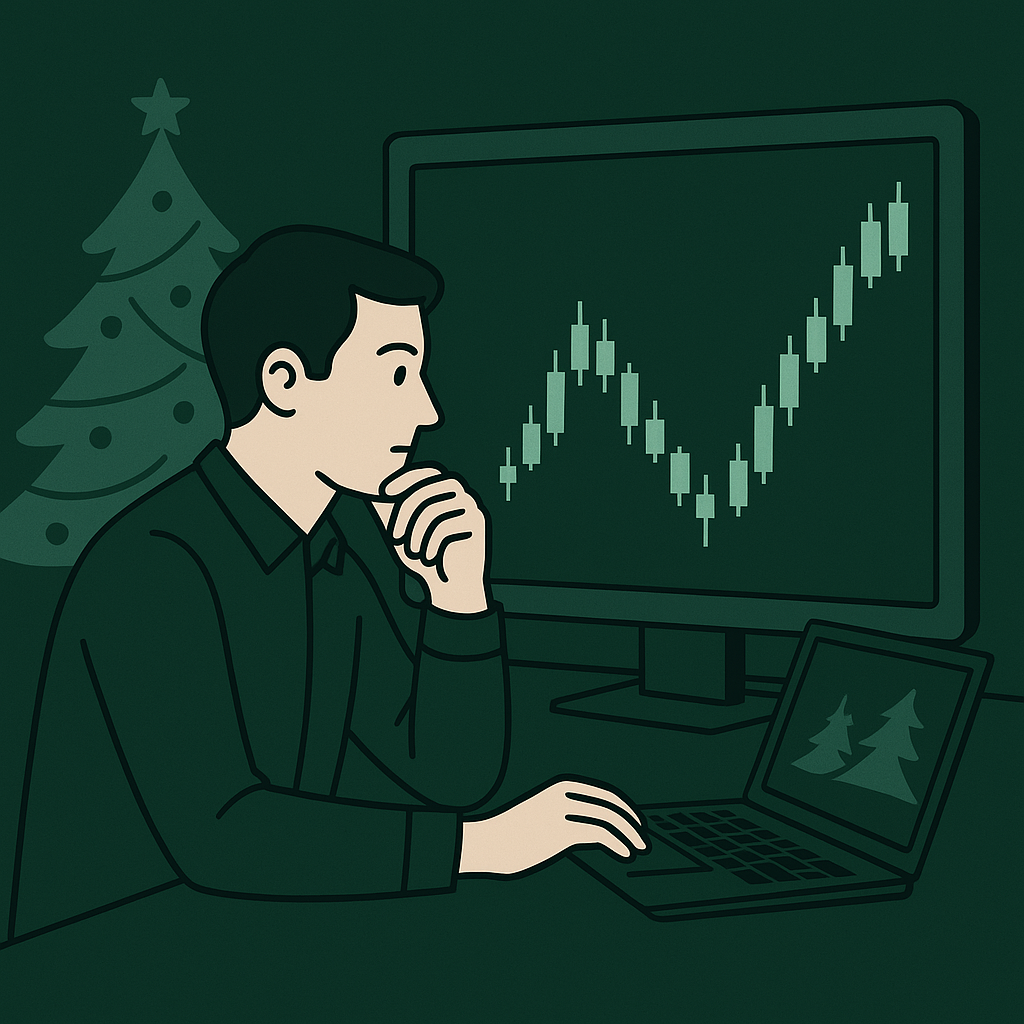
Holiday trading in forex can look calm on the surface and wild underneath. Spreads change, candles stretch, and price can jump in ways that feel random. If you have ever opened a chart around Christmas, New Year, or a big national holiday, you know it does not behave like a normal Tuesday in March.

This article will walk you through what actually happens during holiday trading in forex, why the market behaves this way, and how you can protect your capital. You will also see how to build a simple holiday trading plan as an InvidiaTrade client so you are not caught by surprise the next time the calendar gets festive.

forex trading on holidays

What Makes Holiday Trading In Forex Different

On paper, forex trades twenty four hours a day, five days a week. In reality, the strength of the market shifts throughout the year. During major holidays, several things change at the same time.

Key changes include:

  • Lower liquidity


    • Big banks, funds, and corporations scale back activity when traders are away.


    • Fewer large orders flow through the market.


    • With fewer participants, it becomes easier for price to move quickly when a bigger order hits.


  • Wider spreads


    • Your broker receives prices from liquidity providers.


    • When those providers are less active, the spread between bid and ask naturally grows.


    • Pairs that usually have a tight spread can suddenly become much more expensive to enter and exit.


  • Strange volatility


    • At times the market looks frozen, barely moving for hours.


    • A single order or small piece of news can trigger an outsized spike.


    • It becomes a mix of boredom and sudden shocks, which can be uncomfortable if you are used to smoother conditions.


Key Holiday Periods That Affect Forex

Not every holiday has the same impact on the market. Local holidays can affect specific sessions, while global holidays often affect almost all pairs. Here are some of the most important periods many traders watch.

Year End And New Year

From mid December to the first week of January, markets usually thin out. Many institutions close their books for the year, rebalance portfolios, and then step away.

During this time you may notice:

  • Slower, choppy price action


  • Random looking moves because fewer big players are active


  • Final “window dressing” moves as funds adjust positions for yearly reports


Major US Holidays

Because the United States dollar touches so many currency pairs, US holidays matter a lot. Days around:

  • Thanksgiving


  • Independence Day


  • Labor Day


can bring reduced trading volume, especially during the New York session. Even if London is open, activity can be lighter than usual and spreads can expand during off hours.

European And Asian Holidays

Long holiday weekends in Europe and big events in Asia can also pull liquidity out of the market, for example:

  • Easter and other long European bank holidays


  • Golden Week in Japan


  • Lunar New Year across several Asian countries


When several regions are on holiday at once, conditions can become very thin. Crosses that involve those currencies may feel particularly strange to trade.

What Actually Happens On The Chart

So what do these conditions look like when you open your InvidiaTrade platform and study a chart during holiday trading in forex?

You may see:

  • Long wicks that stop out both buyers and sellers before price drifts back into the middle of the range


  • Sudden gaps between candles when trading resumes after a long holiday closure


  • Tight, choppy ranges where price hardly moves for hours, then breaks out with no obvious news


  • Inconsistent reaction to economic data, since fewer traders are present to respond in their usual way


These patterns happen because the order book is thinner. When there are fewer pending buy and sell orders at each price level, any larger order has more power to push price around. That makes levels that normally hold, such as support and resistance, less reliable.

  • For short term traders, that can be very frustrating. Stop losses get hit more often, and breakouts can fail quickly.


  • For longer term swing traders, holiday periods can be a good time to watch and gather information instead of opening new trades.


Pros And Cons Of Trading Forex During Holidays

Holiday trading in forex is not purely bad or purely good. It simply has different characteristics. It helps to understand both sides.

Potential Advantages

  • Cleaner bigger picture


    • With fewer major events and less constant noise, the overall trend can be easier to see on higher time frames.


  • Occasional strong moves


    • A single surprise event can trigger a sharp move if most participants are away.


    • This may offer opportunity if you are prepared and patient.


  • Time to review and plan


    • The slower pace gives you space to backtest, refine strategies, and update your trading journal without feeling rushed.


Major Disadvantages

  • Wider spreads


    • Extra costs on every entry and exit reduce your edge.


    • For some intraday strategies, this alone can make trading unprofitable in holiday conditions.


  • Thinner liquidity


    • Stops may experience more slippage.


    • You might get filled at worse prices than expected, especially around market opens and closes.


  • Unreliable technical levels


    • Support, resistance, and trend lines may break more easily because there is less real order flow behind them.


  • Higher emotional pressure


    • Strange moves can trigger fear or greed.


    • This can lead to impulsive decisions that do not match your plan.


For many traders, the disadvantages outweigh the advantages, especially while they are still building consistency.

forex trading on holidays

Risk Management Rules For Holiday Trading

If you decide to trade during holiday periods, you need simple but strict rules. Here are practical guidelines you can apply on your InvidiaTrade account.

Cut Your Usual Risk Per Trade

  • Consider reducing position size compared to your normal schedule.


  • If you usually risk 1 percent per trade, you might drop to 0.5 percent or even less.


  • Holiday conditions usually do not reward aggressive risk.


Avoid Overtrading

  • Because price can sit still for long periods, it is tempting to force trades just to “do something.”


  • Set a rule for a maximum number of trades per day.


  • Alternatively, only trade if very clear setups appear on your main time frame.


Be Careful With Tight Stops

  • Tight stops can get hit easily when spreads widen and candles form long wicks.


  • You might place stops slightly further away than normal.


  • If you widen your stop, you must reduce position size, so your total risk stays under control.


Prefer Limit Orders

  • Market orders during thin periods can create unpleasant surprises when price jumps between ticks.


  • Limit orders help you control your entry price better, especially around session opens and closes.


Know Your Broker’s Holiday Schedule

  • Check any changes in trading hours and margin requirements inside your InvidiaTrade client area.


  • Some instruments may close early or open late.


  • This protects you from leaving an order running on a pair that is about to shut down for a long weekend.


What About EAs And Automated Strategies During Holidays

Many InvidiaTrade clients use expert advisors or other forms of algorithmic trading. Holiday trading in forex affects these systems too.

EAs are usually built and optimized on historical data that mostly reflects normal conditions. Unless your system was specifically designed for thin markets, it may not behave as expected during holidays.

Some traders choose to:

  • Turn off their EAs completely for certain dates, such as the last two weeks of December


  • Reduce allowed trading hours, blocking times when spreads are usually at their worst


  • Tighten maximum daily loss limits or equity protections, so the system cannot dig a deep hole during a random spike


Whatever you decide, the important thing is to make your rules beforehand. Do not wait until you see a strange spike on your account. Treat holiday conditions as a known special case and plan ahead.

Building A Simple Holiday Trading Plan With InvidiaTrade

You do not need a complex document. A short plan that you actually follow is more powerful than a perfect one that lives in a folder. Here is a straightforward structure you can adapt for yourself.

Define Which Holidays Matter For You

  • Write down the specific periods when you will change your behavior.


  • For example:


    • “From 15 December to 5 January”


    • “Two days before and one day after major US bank holidays”


Decide Your Trading Mode For Each Period

  • For some holidays you may choose “no new trades, only manage open positions.”


  • For others you may allow trading but at reduced risk.


  • Be clear about your mode for each specific holiday window.


Set Risk And Execution Rules

  • Note your reduced risk per trade.


  • Decide your maximum daily loss and weekly loss.


  • Add any special rules about order types, such as “limit entries only.”


  • Decide when you will close open positions before markets shut down for a long weekend.


Prepare Your Tools

  • Inside your InvidiaTrade platform, check that your charts show upcoming holidays.


  • Set calendar reminders for key dates.


  • Update any EAs with the correct trading schedule, if they support one.


Review After The Holidays

  • When the market returns to normal volume, take time to review how your plan worked.


  • Ask yourself:


    • Did I feel calmer?


    • Did I avoid unnecessary losses?


    • Did I follow my rules or break them?


  • Adjust your rules for next year based on what you learned.


Holiday Trading Checklist

Before you place a single trade during a holiday period, quickly walk through this checklist:

  • Have I checked today’s trading hours for my instruments on InvidiaTrade?


  • Are spreads currently wider than usual on my main pairs?


  • Is my risk per trade reduced for this period?


  • Do I really have a clear setup, or am I forcing a trade out of boredom?


  • Are my stop loss and take profit levels realistic in thin conditions?


  • Have I confirmed that any EAs or automated strategies are configured correctly for the holiday schedule?


  • Am I prepared to sit out completely if the market feels too strange?


If you cannot confidently answer “yes” to these questions, it may be wiser to stay flat and use the time for study instead.

forex trading on holidays

Final Thoughts: Sometimes The Best Trade Is No Trade

Holiday trading in forex can be exciting, but excitement is not the same as opportunity. Thin liquidity, wider spreads, and unpredictable spikes create conditions that even experienced traders approach with caution.

As an InvidiaTrade client, you have full control over when you trade, how much you risk, and which tools you use. That means you also have the freedom to slow down, protect your capital, and come back stronger when normal market conditions return.

Treat holiday periods as part of your yearly trading cycle, not as an afterthought. Decide in advance how you will handle them, keep your rules simple, and let discipline protect your account while others get distracted by unexpected moves. Often, the profits you do not lose in strange markets are just as valuable as the ones you make when liquidity returns.

Risk Disclaimer

Trading foreign exchange and other leveraged products carries a high level of risk and may not be suitable for all investors. The information in this article is provided for educational purposes only and does not constitute financial advice, investment recommendation, or an offer to buy or sell any financial instrument.

Past performance does not guarantee future results. Market conditions during holiday periods can change rapidly, and there is no guarantee that the patterns described here will repeat in the future. You are solely responsible for evaluating your financial situation, risk tolerance, and trading decisions.

InvidiaTrade does not provide personalized investment advice and does not guarantee any specific outcome or profit. Never trade with money you cannot afford to lose, and consider seeking independent financial advice if you are unsure about the risks involved.