



Preloader
light-dark-switchbtn
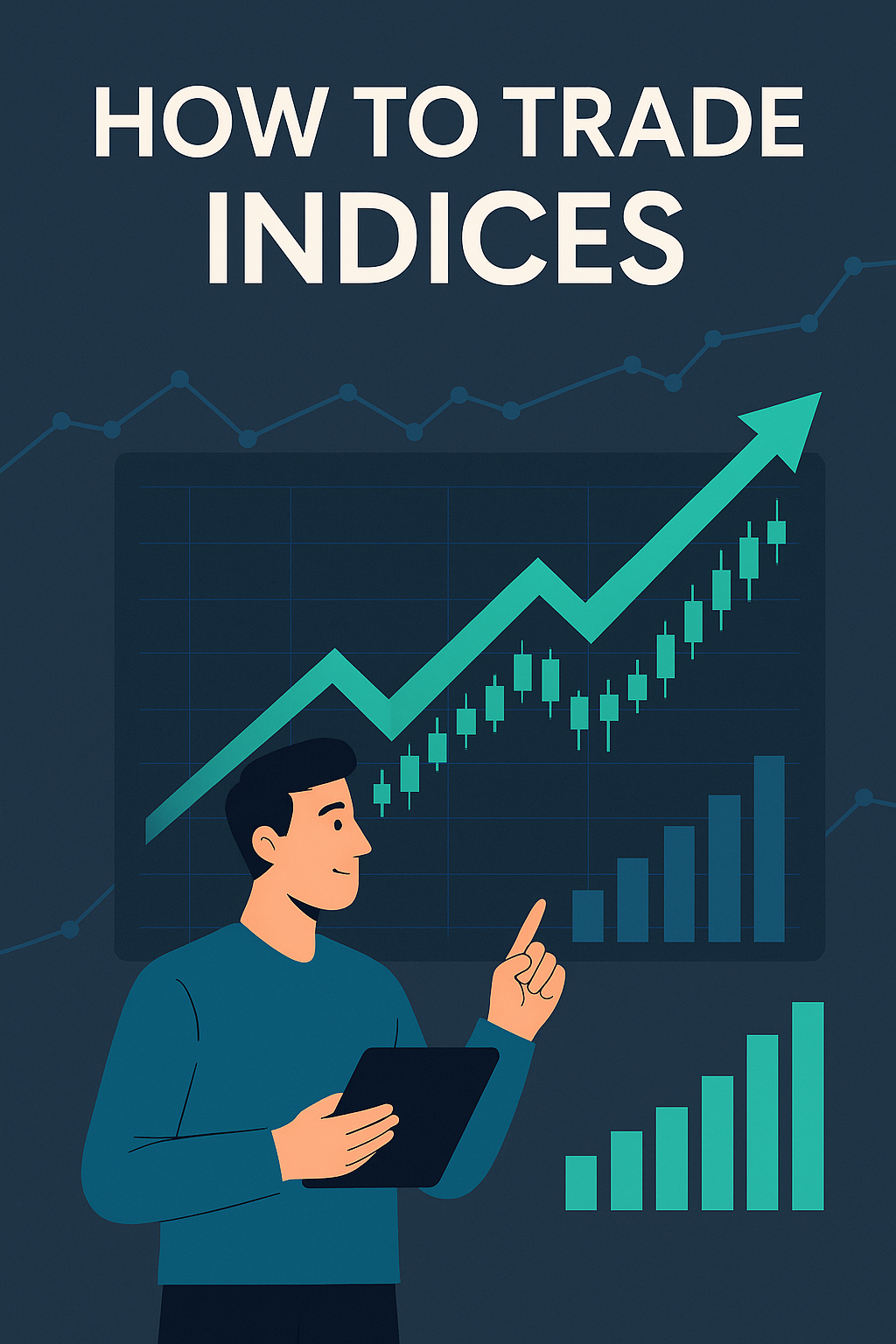
How to Trade Indices

Table of Contents

Trading indices has become one of the most popular ways for traders to participate in global financial markets. Indices represent the performance of a group of selected stocks, giving traders exposure to entire sectors or economies rather than individual companies. At InvidiaTrade, we provide clients with access to major global indices through our advanced trading platform, allowing you to diversify, manage risk, and pursue opportunities in markets that move daily.

This guide will explain what indices are, how they work, why traders choose them, and practical strategies for learning how to trade indices effectively.

How to Trade Indices

2. Why Trade Indices?

Indices are appealing because they provide diversification, liquidity, and opportunities for both short-term and long-term trading.

Benefits of Trading Indices:

  • Diversification – Exposure to many companies at once reduces the risk of trading single stocks.
  • Liquidity – Major indices are highly liquid, meaning you can enter and exit trades with ease.
  • Volatility – Indices often experience strong price swings during economic news releases, creating trading opportunities.
  • Flexibility – At InvidiaTrade, you can trade indices using CFDs (Contracts for Difference), allowing you to profit from both rising and falling markets.

3. How Indices Work in Trading

When trading indices, you don’t own the underlying stocks. Instead, you speculate on the index price through financial instruments like CFDs.

  • Long Position (Buy): You expect the index to rise.
  • Short Position (Sell): You expect the index to fall.
  • Leverage: Indices can be traded with leverage, allowing you to control larger positions with less capital. However, leverage magnifies both profits and losses, so it must be managed carefully.

For example:
If the S&P 500 is trading at 4,500 points and you believe it will rise, you place a buy trade. If it climbs to 4,550 points, you make a profit. If it falls to 4,450 points, you incur a loss.

4. Factors That Influence Index Prices

Index prices are driven by a wide range of economic and political factors:

  • Earnings Reports: Quarterly results of large companies can move indices significantly.
  • Economic Data: Inflation, GDP growth, employment numbers, and central bank decisions.
  • Global Events: Geopolitical conflicts, natural disasters, and pandemics impact investor sentiment.
  • Sector Performance: Indices heavy in certain sectors (e.g., Nasdaq and tech stocks) move strongly with sector performance.
  • Investor Sentiment: Indices reflect the overall confidence or fear in markets.

5. Strategies for Trading Indices

When learning how to trade indices, it’s crucial to have a structured approach. Below are strategies widely used by traders at different skill levels.

a) Trend Following

  • Identify the overall direction of the index (uptrend, downtrend, or sideways).
  • Use moving averages or trendlines to confirm the trend.
  • Enter trades in the direction of the trend.

b) Breakout Trading

  • Indices often consolidate before big moves.
  • When price breaks above resistance or below support with strong volume, it often signals continuation.
  • Stop-losses should be placed just outside the breakout zone.

c) Range Trading

  • In sideways markets, indices bounce between support and resistance levels.
  • Buy near support and sell near resistance until a breakout occurs.
  • Oscillators like RSI and Stochastics confirm overbought/oversold zones.

d) News Trading

  • Major economic releases, such as interest rate decisions or employment reports, trigger volatility in indices.
  • Traders can capitalize on this volatility with fast execution and proper risk management.

e) Swing Trading

  • Ideal for traders who want to hold positions for days or weeks.

Swing traders look for medium-term price patterns like flag formations, pullbacks, or retracements.

How to Trade Indices

6. Risk Management in Index Trading

At InvidiaTrade, we stress the importance of protecting your capital. Risk management is the foundation of trading success.

  • Set Stop-Loss Orders: Define your maximum risk before entering a trade.
  • Position Sizing: Only risk 1–2% of your trading account per trade.
  • Take-Profit Targets: Secure profits at pre-set levels.
  • Diversify: Don’t trade only one index—spread exposure across global markets.
  • Avoid Overleveraging: Leverage can work for you or against you. Manage it wisely.

7. Example Trade Setup

Suppose you expect the Nasdaq 100 to rise after strong tech earnings.

  1. Identify the trend: Confirm an uptrend with moving averages.
  2. Look for a breakout: Price crosses above a key resistance level.
  3. Enter trade: Place a buy order with leverage.
  4. Manage risk: Stop-loss placed below support; take-profit above the next resistance.
  5. Monitor news: Stay alert for economic data that could impact tech stocks.

8. Tools to Trade Indices with InvidiaTrade

We provide everything you need to trade indices efficiently:

  • Advanced Trading Platforms: User-friendly and powerful, with fast execution.
  • Charting Tools: Access to technical indicators, drawing tools, and real-time price data.
  • Economic Calendar: Stay informed about market-moving events.
  • Mobile Trading: Trade anytime, anywhere with our mobile apps.
  • Educational Resources: In-depth tutorials, webinars, and guides tailored to beginners and advanced traders.

9. Psychology of Index Trading

Indices often mirror the mood of the market. When fear dominates, indices fall. When optimism prevails, they rise. Traders must manage emotions like fear and greed by sticking to their strategy and not overreacting to short-term moves.

  • Patience: Wait for the right setups.
  • Discipline: Stick to your trading plan.
  • Confidence: Comes from preparation and practice, not luck.

10. Step-by-Step Guide to Get Started with InvidiaTrade

  1. Open an Account with InvidiaTrade.
  2. Deposit Funds securely using multiple payment options.
  3. Choose Your Index – S&P 500, Nasdaq, DAX, FTSE, and more.
  4. Analyze the Market using charts and tools.
  5. Place Your Trade – buy or sell depending on your outlook.
  6. Manage Your Trade with stop-loss and take-profit orders.
  7. Review Performance regularly to improve over time.

11. Common Mistakes Beginners Make

  • Trading without a plan.
  • Ignoring risk management.
  • Overleveraging positions.
  • Reacting emotionally to short-term moves.
  • Not keeping up with economic news.

By avoiding these mistakes, you increase your chances of success in index trading.

How to Trade Indices

Conclusion

Learning how to trade indices is about understanding what moves the markets, developing a sound strategy, and practicing discipline. With indices, you gain access to entire economies, allowing you to diversify your trading portfolio and capture opportunities across global markets.

At InvidiaTrade, we empower traders with the tools, resources, and platforms needed to trade indices effectively and confidently. Whether you’re a beginner or an experienced trader, indices offer exciting opportunities when approached with the right mindset and strategy.

Disclaimer
This content is provided for educational purposes only and does not constitute investment advice. Trading indices involves risk and may not be suitable for all investors. Always consider your financial situation and seek guidance from a licensed financial advisor before trading.