



Table of Contents
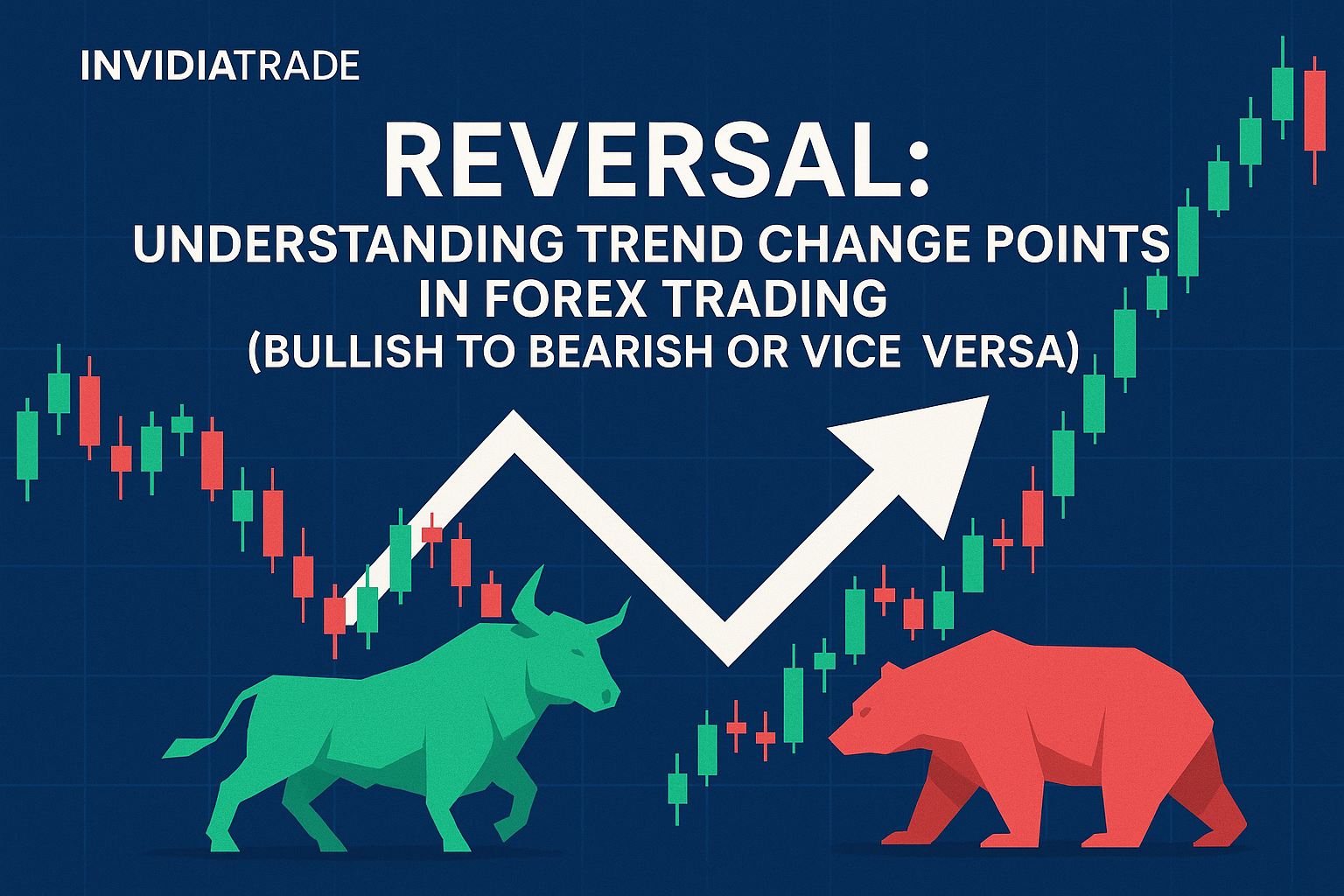
In Forex trading, spotting a market trend early gives you an edge, but recognizing when that trend is about to reverse can be even more profitable. The ability to identify a reversal (trend change point) is one of the most powerful skills any trader can develop.
A reversal is when the market shifts direction, moving from bullish to bearish or from bearish to bullish. Mastering this concept allows traders to avoid holding onto losing trades and to capitalize on new opportunities before others catch on.
In this in-depth guide by InvidiaTrade, we’ll cover everything you need to know about trend reversals in Forex, including:
- What a reversal is and how it differs from a retracement
- The psychology and mechanics behind a trend change
- Key indicators and patterns used to detect reversals
- Entry and exit strategies
- Real-life examples
- Risk management tips
- Common mistakes to avoid
- And how to include reversal trading in your broader strategy
What Is a Reversal in Forex?
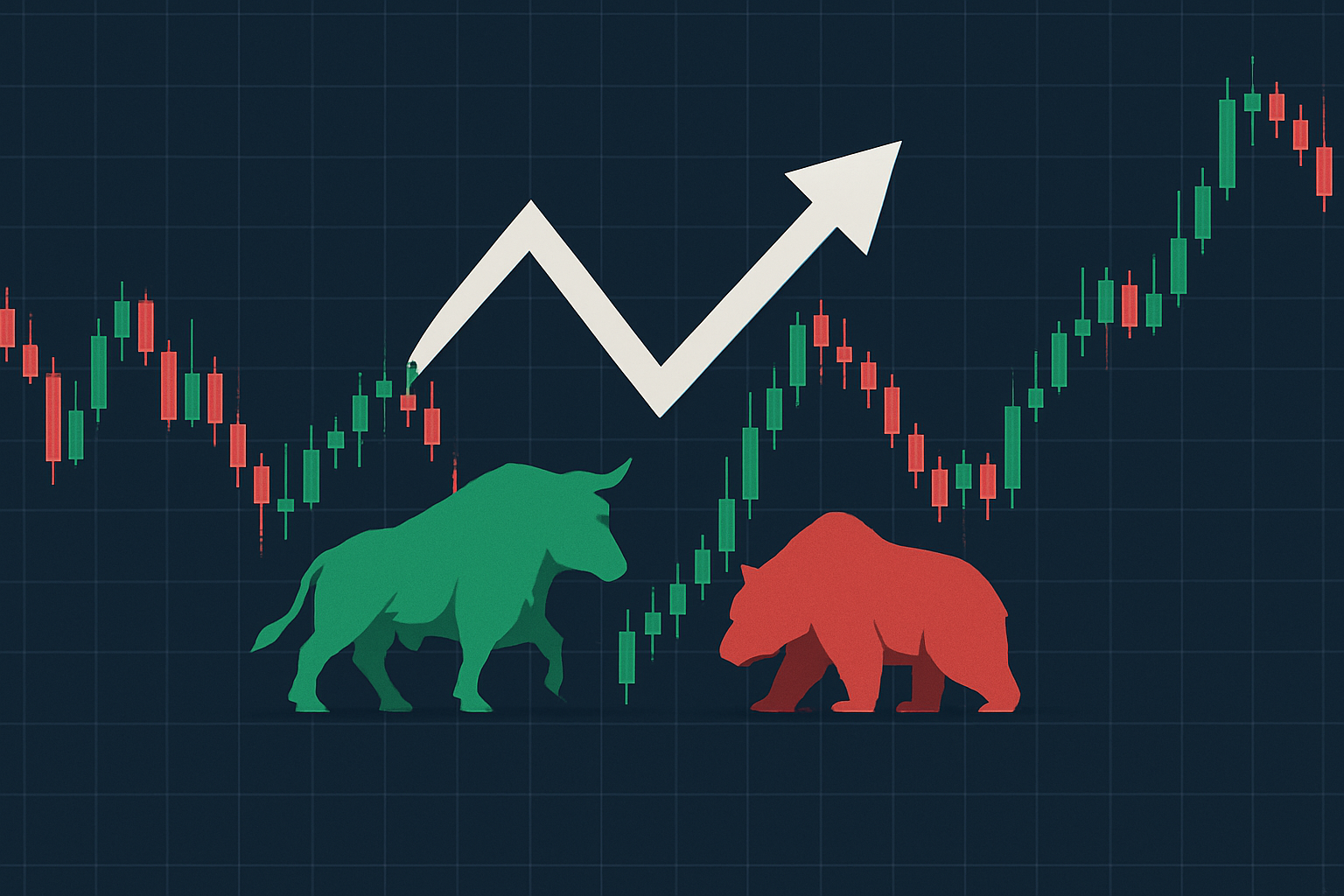
A reversal occurs when the price changes direction and begins moving in the opposite trend:
- From bullish (uptrend) to bearish (downtrend)
- Or from bearish to bullish
Reversals mark the end of one trend and the start of another. They often occur at key price levels, pivot zones, or psychological areas—and they typically involve a shift in market sentiment or reaction to economic data.
Recognizing a reversal early can allow traders to:
- Exit positions before losing profits
- Enter new trades at the start of a fresh trend
- Ride bigger price moves with strong risk-reward setups
Reversal vs. Retracement: What’s the Difference?
Understanding the difference between a retracement and a reversal is crucial.
Retracement (Temporary Pullback):
- Price briefly moves against the current trend
- The primary trend remains intact
- Often used as a buying or selling opportunity
Reversal (Trend Change):
- Price forms a new trend direction
- Often includes a change in highs/lows structure
- Confirms when the previous trend is invalidated
Pro Tip: Retracements are normal corrections within a trend. Reversals signal that a new trend has started.
Why Do Reversals Happen?
Reversals are not random—they occur when the balance of power shifts between buyers and sellers.
Bullish to Bearish Reversal (Top Reversal):
- Buyers start losing interest
- Price struggles to make new highs
- Sellers step in with stronger momentum
- Volume increases during selling
Bearish to Bullish Reversal (Bottom Reversal):
- Sellers begin to exit
- Price fails to make new lows
- Buyers absorb supply and push price upward
- Volume spikes on bullish candles
Sentiment, technical exhaustion, and fundamental changes all contribute to these turning points.
How to Identify a Trend Change (Reversal Signals)
Reversals don’t just happen out of the blue. Here are some tools and signs that often precede a trend change:
1. Price Action Patterns
Certain chart patterns are commonly associated with reversals:
- Double Top/Double Bottom
- Head and Shoulders / Inverse Head and Shoulders
- Triple Top/Triple Bottom
- Engulfing Candlestick Patterns
- Pin Bars or Hammer / Shooting Star Candles
These patterns signal that momentum is fading and the price is preparing to turn.
2. Trend Line Breaks
Drawing a trendline along a bullish or bearish move helps visualize structure. When price breaks and closes beyond a trendline, a reversal may be in play.
3. Divergence with Oscillators
Indicators like RSI or MACD often show divergence before a trend change.
- Bearish Divergence: Price makes higher highs, but RSI makes lower highs
- Bullish Divergence: Price makes lower lows, but RSI makes higher lows
This is a classic warning that momentum is shifting.
4. Moving Average Crossovers
- A shorter-term MA (like the 9 EMA) crossing below a longer-term MA (like the 50 EMA) can signal a bearish reversal.
- Vice versa for bullish reversals.
5. Volume Clues
Increasing volume during a trend reversal shows conviction in the new direction.
- Low volume during previous trend = weakening
- Volume surge during the turn = strength of new trend
Entry and Exit Strategies for Reversal Trades
Once you identify a possible reversal, here’s how to trade it:
A. Aggressive Entry:
- Enter once the reversal pattern is confirmed (e.g., neckline break in a double top)
- Place stop-loss beyond recent swing high/low
- Target the next structure zone or use a 1:2 or 1:3 risk/reward
B. Conservative Entry:
- Wait for the price to break, then retest the level before entering
- Confirm with indicators or candle structure
- Often leads to more reliable trades
Exit Tip: Don’t forget to trail stops as price moves in your favor to lock in profit.
Real-Life Example: Bearish Reversal on GBP/USD
Let’s say GBP/USD has been in an uptrend, forming higher highs.
- Suddenly, it forms a double top around 1.3100
- The RSI shows bearish divergence
- Price breaks the neckline at 1.3050
- Volume spikes on the break
- A retest fails to go back above 1.3050
Trade Setup:
- Entry: 1.3040
- Stop Loss: 1.3110
- Target: 1.2900
- Reward-to-Risk Ratio: 2:1
This is a classic reversal opportunity with confirmation.
Timeframes and Reversals
Reversals can happen on any timeframe:
- Short-term (5M, 15M) – Intraday reversal trades for scalpers
- Mid-term (1H, 4H) – Swing trading opportunities
- Long-term (Daily, Weekly) – Macro-level trend changes
Use higher timeframes for trend direction and lower timeframes for execution.
Using Indicators to Confirm Reversals
While price action is primary, technical indicators add confluence:
- RSI – Watch for overbought/oversold conditions and divergence
- MACD – Signal line crosses or histogram reversals
- Stochastic Oscillator – Useful in identifying double top/bottom conditions
- Bollinger Bands – Price closing outside the bands then re-entering can signal a turn
Parabolic SAR – Change in dot position indicates reversal possibility
Trading Psychology and Trend Reversals
Many traders struggle with reversals because they go against the current trend. Here’s how to stay mentally strong:
- Don’t assume every pullback is a reversal
- Wait for confirmation before entering
- Accept that not all reversals succeed—use stops
- Avoid revenge trading after fakeouts
- Trust your system and backtested rules
Reversal trading requires discipline, not prediction.
Risk Management When Trading Reversals
Because reversals are often contested zones between bulls and bears, risk management is crucial:
- Use fixed % risk per trade (1–2% of your account)
- Place stop-loss beyond invalidation points
- Avoid overleveraging
- Take partial profits to reduce exposure
- Have a clear exit strategy
Every trade should be structured with risk first, not reward.
Advantages of Trading Reversals
- Early entry into a new trend
- High reward-to-risk potential
- Suitable for all timeframes
- Can be combined with automation
Builds psychological resilience
Common Mistakes to Avoid
- Calling reversals too early without confirmation
- Over-relying on a single indicator
- Ignoring the broader trend or higher timeframe
- Failing to adjust position size
- Chasing price after the move has already happened
Success in reversal trading comes from structure, patience, and data—not emotion.
Should You Use Automation for Reversal Strategies?
Absolutely. Many trading bots and Expert Advisors are coded to:
- Recognize divergence
- Track breakouts and retests
- Follow candle patterns
- Trigger alerts or automated entries when trend conditions shift
At InvidiaTrade, we work with traders who use both manual and automated systems to trade reversals confidently with predefined rules.
Backtesting Reversal Strategies
Before applying reversal setups live:
- Use demo accounts or trading simulators
- Backtest on multiple pairs and timeframes
- Track key metrics (win rate, drawdown, average RRR)
- Log setups and outcomes for continuous improvement
The best traders learn from data—not just instincts.
Pairs and Assets Where Reversals Work Best
While reversals can occur anywhere, some markets offer more consistent setups:
- Major pairs like EUR/USD, GBP/USD, USD/JPY
- Gold (XAU/USD)
- Indices such as NAS100, S&P 500
- Crypto markets, due to volatility
These assets tend to respect support/resistance levels and provide clearer technical setups.
How to Integrate Reversal Trading into Your Strategy
You don’t have to trade reversals exclusively. You can use them to:
- Exit existing trend trades
- Flip positions after confirmation
- Hedge against longer-term trades
- Add diversification to a breakout strategy
The key is to be clear on your strategy’s goal and risk tolerance.
Final Thoughts: Reversals Are Where Smart Traders Thrive
Reversals are powerful trend change points. They reveal market sentiment shifts and offer some of the best opportunities in Forex—if you know how to read the signals.
By mastering the art of identifying bullish-to-bearish or bearish-to-bullish shifts, you can anticipate big moves instead of reacting to them too late.
At InvidiaTrade, we equip our traders with the tools, strategies, and analysis needed to make informed decisions—not guesses. Whether you’re trading manually or integrating automation, reversal setups should be part of your trading arsenal.
Disclaimer
Trading foreign exchange on margin carries a high level of risk and may not be suitable for all investors. The information in this article is for educational purposes only and should not be considered financial advice. Always consult a licensed financial advisor before making investment decisions. Past performance is not indicative of future results.

CFDs Trading Explained: How Contracts for Difference Work, Risks Included
Table of Contents Many people enter the markets looking for clarity. They hear about forex, stocks, indices, and commodities, but they are still unsure
Trading News That Actually Matters: How to Filter Market Noise From Real Opportunity
Table of Contents Most traders do not lose because they are uninformed. They lose because they are overloaded. Trading news is constant. You can

Essential Trading Tools Every Serious Trader Uses (And How to Choose the Right Ones)
A practical overview of how a forex demo account works and what traders should know before getting started.
Trading Analysis Explained: How Professionals Read Markets Before Placing a Trade
Table of Contents START A DEMO ACCOUNT WITH INVIDIATRADE HERE Disclaimer (InvidiaTrade): This article is for educational purposes only and does not provide financial, investment,

What Makes a Best Trading Platform?
Table of Contents START A DEMO ACCOUNT WITH INVIDIATRADE HERE When people search for the best trading platform, they often expect a single answer. In

Day Trading: What It Is, How It Works, and the Risks You Must Know
Table of Contents Day trading gets a lot of attention because it looks exciting. Trades happen quickly, charts move fast, and results show up in