Introduction
If you’re a U.S. citizen looking into forex trading software, you’re treading a more regulated path than many international traders. The key question is: how do you find software that balances features, automation, and legal compliance? In this in-depth guide, we’ll break down everything you need to know about Forex trading software for US citizens — from regulatory boundaries to top platforms, evaluation checklists, and best practices for success.
1. Why U.S. Traders Face Unique Constraints
1.1 Strict Regulation, Limited Instruments
Unlike many global markets, the U.S. does not permit retail CFD or spread betting for forex — only spot forex and futures are allowed.
As a result, many software tools that rely on CFD features (such as swap-based strategies or exotic derivatives) are off-limits for U.S. traders.
1.2 Broker Licensing and Capital Requirements
To legally service U.S. clients, brokers must be registered with the CFTC and be members of the NFA — and maintain a net capital of at least $20 million.
Only brokers meeting those standards can serve U.S. citizens. Any software that connects to unauthorized brokers effectively encourages misuse, putting you at risk.
2. Key Features of Forex Trading Software for U.S. Clients
When narrowing your software options, prioritize:
- Broker compatibility with U.S.-licensed brokers
- Automated systems / EAs under U.S. rules
- Charting & technical tools
- Multi-platform access (desktop, web, mobile)
- Backtesting and simulations
- Reliability, security, and support
Let’s examine each in more depth.
2.1 Broker Integration & Compliance
Ensure the software only interacts with brokers legally accepting U.S. clients (and enforce constraints such as max leverage, no CFD instruments).
For instance, MT4/5 via U.S. brokers such as FOREX.com, OANDA, or specialized U.S. forex brokers is often the safe path.
2.2 Automation, Scripting, & Strategy Execution
Support for Expert Advisors, custom scripts, or plugin strategies is essential for algorithmic traders. But platform limitations may exist under U.S. constraints.
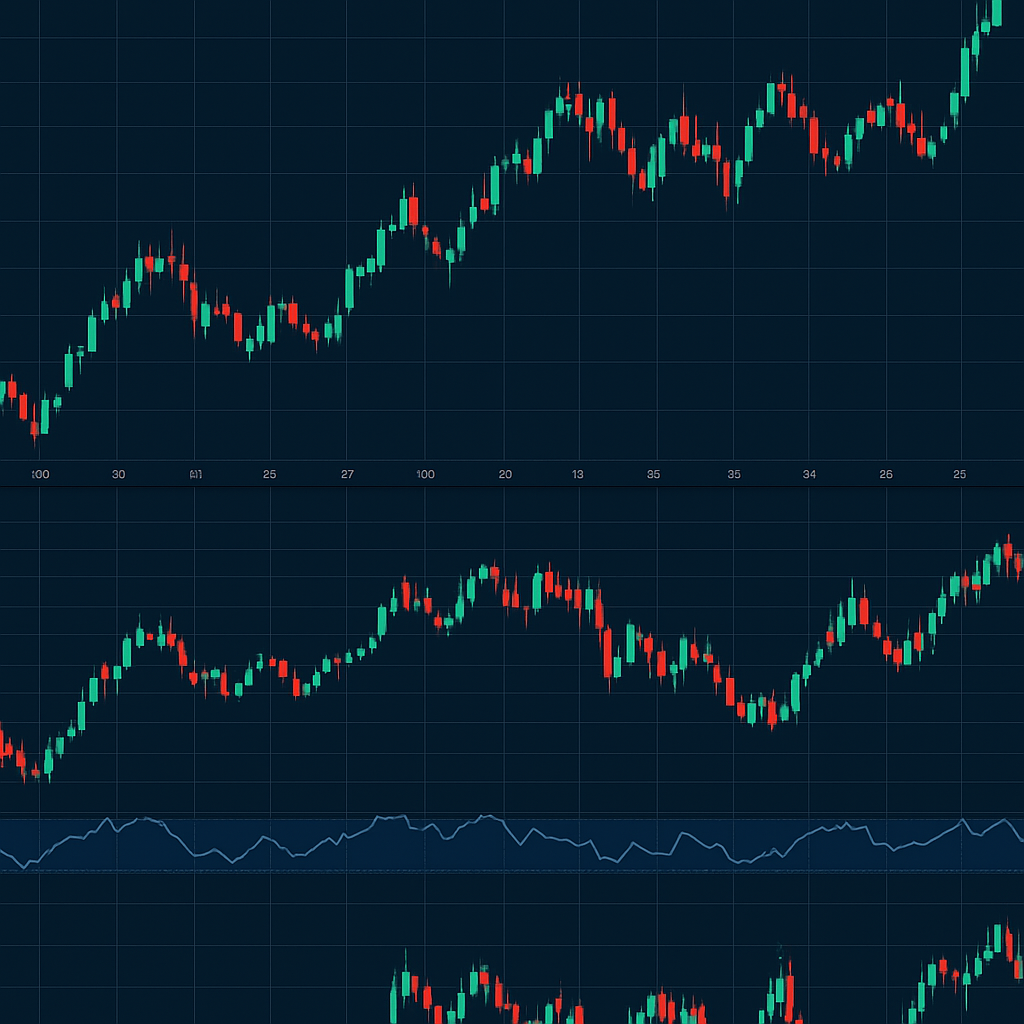
2.3 Analysis Tools & Indicators
Good software gives you:
- Oscillators, moving averages, Bollinger bands, etc.
- Custom indicator support
- Drawing tools and pattern recognition
- Alerts and notifications
2.4 Execution and Latency Management
Even the best algorithm is worthless with slow fills or slippage. The software should provide feedback on execution, latency, and slippage metrics.
2.5 Mobile / Cloud / Web Access
Traders today want the flexibility to monitor or close trades from anywhere. Your software should support synced access across devices.
2.6 Backtesting & Optimization Tools
To validate and refine strategies, software must enable:
- In-sample and out-of-sample backtesting
- Walkforward optimization
- Sensitivity analysis and Monte Carlo-style robustness tests
2.7 Support, Community & Reliability
Access to support, user forums, regular updates, and stability is fundamental. Bugs or downtime during volatile markets can be devastating.
3. Recommended Forex Trading Software / Platforms
Below are popular options that align (to varying degrees) with the U.S. constraints:
3.1 MetaTrader 4 / 5 (MT4 / MT5)
Supported by several U.S.-friendly brokers, MT4/5 remains a top choice, especially for algorithmic traders.
Pros:
- Large EA ecosystem
- Strong charting and analysis
- Widely supported
Cons: - Some features may be suppressed or limited under U.S. broker policies
- Requires caution with EAs to ensure compliance
3.2 Broker Proprietary Platforms
Some U.S. brokers offer custom platforms with strong performance and features. For instance, a broker may offer a fast web-based interface with integrated charting, trading ideas, and risk tools.
3.3 Quant / API-Driven Platforms
For more advanced users, connecting via APIs or using quant frameworks (Python, R, C++ etc.) is possible if the broker permits it. This allows custom strategy deployment and deep analytics.
3.4 Social / Copy Platforms
Platforms like ZuluTrade allow copying of traders’ strategies, though integration with U.S. brokers may be restricted. Always ensure compliance and check for signal provider risk.

Conclusion & Next Steps
Selecting the right Forex trading software for U.S. citizens requires care: balancing advanced features with regulatory compliance. You must ensure broker support, automation tools, backtesting, multi-device access, and reliability all align with U.S. rules.
At InvidiaTrade, we provide research, tools, and community support to help you navigate these challenges. Explore our platform comparisons, connect with like-minded traders, and let us help you choose a software stack optimized for American compliance and performance.
Disclaimer
Disclaimer: This blog post is intended solely for informational and educational purposes. It does not constitute financial, investment, or legal advice. Forex trading involves substantial risk, and there is a possibility of losing more than your initial capital. Past performance is no guarantee of future results. Always verify compliance with U.S. regulatory rules (CFTC/NFA), and consult with qualified financial, tax, or legal professionals before implementing any trading strategy or software.
4. Selecting the Right Software: A Step-by-Step Plan
4.1 Determine your list of U.S.-compliant brokers
E.g. FOREX.com, OANDA, TastyFX (for U.S.) StockBrokers.com+2Traders Union+2
4.2 List the platforms each broker supports
Match your preferred software (MT4, proprietary, API) with broker feasibility.
4.3 Test with a demo or paper account
Simulate your strategies, evaluate responsiveness and performance.
4.4 Run backtests / performance tests
Check execution, latency, slippage, partial fills, etc.
4.5 Test across devices
Move from desktop to mobile to ensure functionality and consistency.
4.6 Check support, documentation, community
Read forums, ask support questions, test responsiveness.
4.7 Security & audit logs
Ensure encryption, 2FA, transaction logs, platform patches.
5. Practical Strategy Examples & Software Fit
- Trend-following strategies → require multi-timeframe charts, filters, alerts
- Mean reversion / oscillators → strong indicator library, threshold alerts
- High-frequency / scalping → fastest execution, hotkeys, low latency
- EA-driven / algorithmic strategies → script environments, backtest tools
- Copy trading / social trading → signal following features, risk management overrides
Select software that best supports your strategy infrastructure.
6. Case Study: How a U.S. Trader Might Build a System
Let’s design a sample system workflow:
- Broker: FOREX.com (U.S. regulated)
- Platform: Use MT4 for EA deployment; use broker’s dashboard for manual operations
- Strategy: A breakout EA + trend filter
- Backtesting: Use historical data, walkforward test
- Execution: Monitor slippage, latency
- Mobile: Use MT4 mobile + broker app
- Risk management: daily drawdown limits, lot size caps
- Fallback: If primary platform fails, have direct web access
7. Common Misconceptions & Risk Management
Misconception | Reality / Risk |
“Any forex software works in the U.S.” | False — only software that connects to U.S.-legal brokers is safe |
“EAs guarantee profits” | No — all systems carry risk, markets change, past performance no guarantee |
“Higher leverage always better” | In U.S., leverage is limited (often 50:1), and higher leverage increases risk |
“I can use offshore brokers with U.S. software” | That may violate regulations and expose you to fraud and legal issues |
“Backtest looks great = real profits” | Overfitting and slippage often break naive strategies |
Always manage risk via position sizing, stop-loss orders, drawdown limits, diversification, and small exposure until your system proves trustworthy.
8. SEO & Marketing Considerations (for your blog)
- Use your primary keyword “Forex Trading Software for US citizens” in title, headings, meta tags, URL slug
- Use supporting keywords: “US forex trading platform,” “automated forex software U.S.,” “MT4 for American traders”
- Interlink to your own content (tutorials, broker reviews, strategy pages)
- Include images/screenshots of platform UIs with alt text referencing the keyword
- Use a FAQ section (e.g. “Can U.S. citizens use forex robots?”)
- Optimize for featured snippets — e.g. short bulleted definitions
- Update annually (e.g. “2025 edition”) to stay fresh for SEO
Here’s a sample FAQ you can place near the bottom:
FAQ
- Can U.S. citizens use forex trading robots? Yes — but only via U.S.-compliant brokers and within the constraints set by U.S. regulation.
- Are CFDs allowed in the U.S.? No — U.S. retail traders can only trade spot forex or futures.
- What is the typical leverage limit in U.S.? Often up to 50:1 for major currency pairs.
Which broker platforms are recommended for Americans? FOREX.com, OANDA, TastyFX (for U.S. clients), etc.

What Is a Funded Trading Account? How It Works
A funded trading account has become a big topic in the trading space. Many traders are interested in it because it offers access to capital

Global Trading Hours Explained: When Markets Are Most Active and Why It Matters
Financial markets operate across multiple time zones. As a result, trading takes place almost continuously throughout the week. While this constant access creates flexibility, it

CFDs Trading Explained: How Contracts for Difference Work, Risks Included
Many people enter the markets looking for clarity. They hear about forex, stocks, indices, and commodities, but they are still unsure how trading actually works.

Essential Trading Tools Every Serious Trader Uses (And How to Choose the Right Ones)
A practical overview of how a forex demo account works and what traders should know before getting started.

Trading News That Actually Matters: How to Filter Market Noise From Real Opportunity
Most traders do not lose because they are uninformed. They lose because they are overloaded. Trading news is constant. You can refresh your feed every

Trading Analysis Explained: How Professionals Read Markets Before Placing a Trade
Disclaimer (InvidiaTrade): This article is for educational purposes only and does not provide financial, investment, or trading advice. Trading carries risk, and you may lose