
Ranging Market

When traders first dive into the world of technical analysis and price action, they are quickly introduced to the concept of trends—markets moving either up (bullish) or down (bearish). However, in between those trends, the market often enters a phase that is less discussed but just as important: the ranging phase.

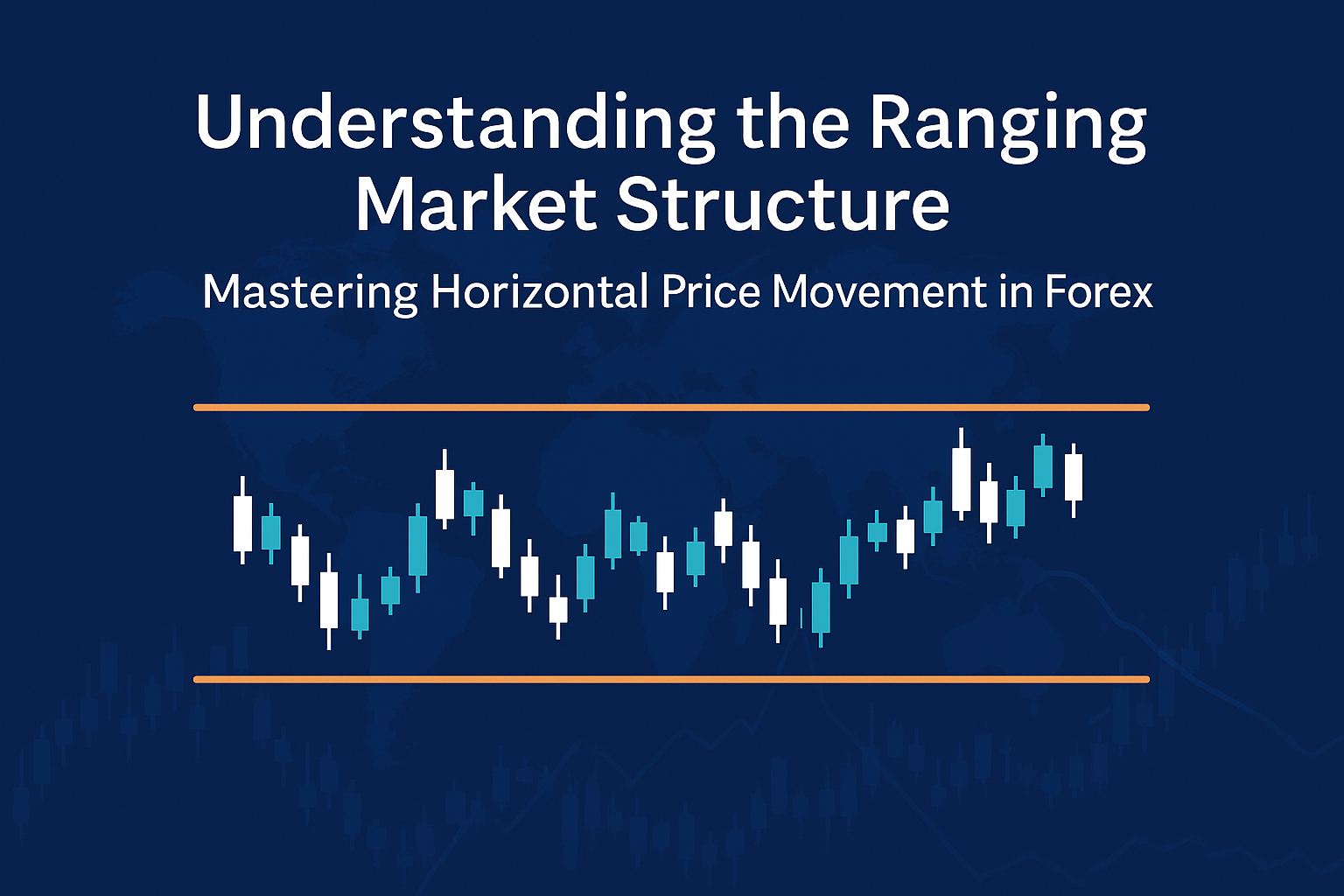
A ranging market structure, also known as a sideways market or consolidation zone, occurs when price fluctuates horizontally between clearly defined support and resistance levels. This price action is not random—it reflects a balance between buyers and sellers. Despite the lack of a clear directional trend, ranging markets offer significant trading opportunities for those who understand them.

In this article, we’ll dive deep into the mechanics of ranging markets, how to spot them, and how to trade them effectively. Whether you are a beginner learning market structures or an advanced trader refining your strategy, this guide will give you everything you need to master this crucial aspect of price behavior.

What Is a Ranging Market?

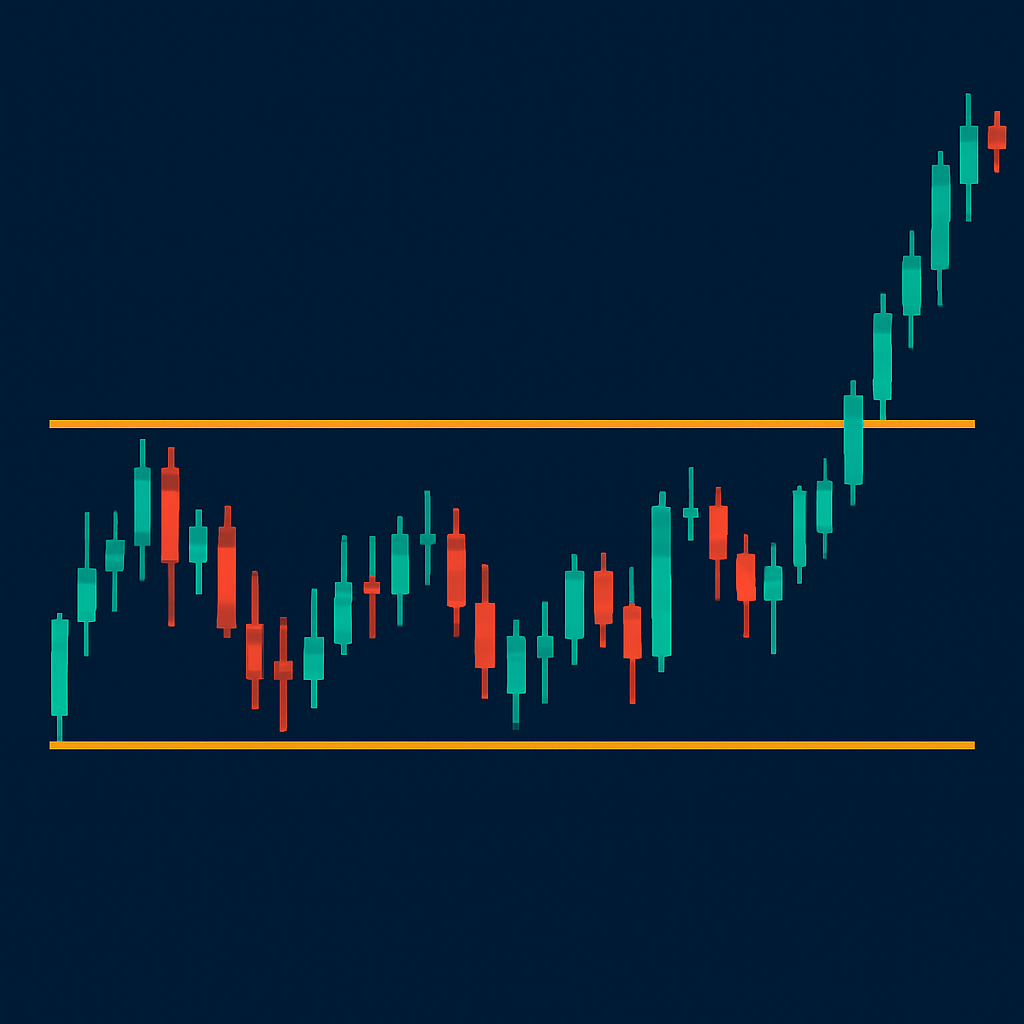
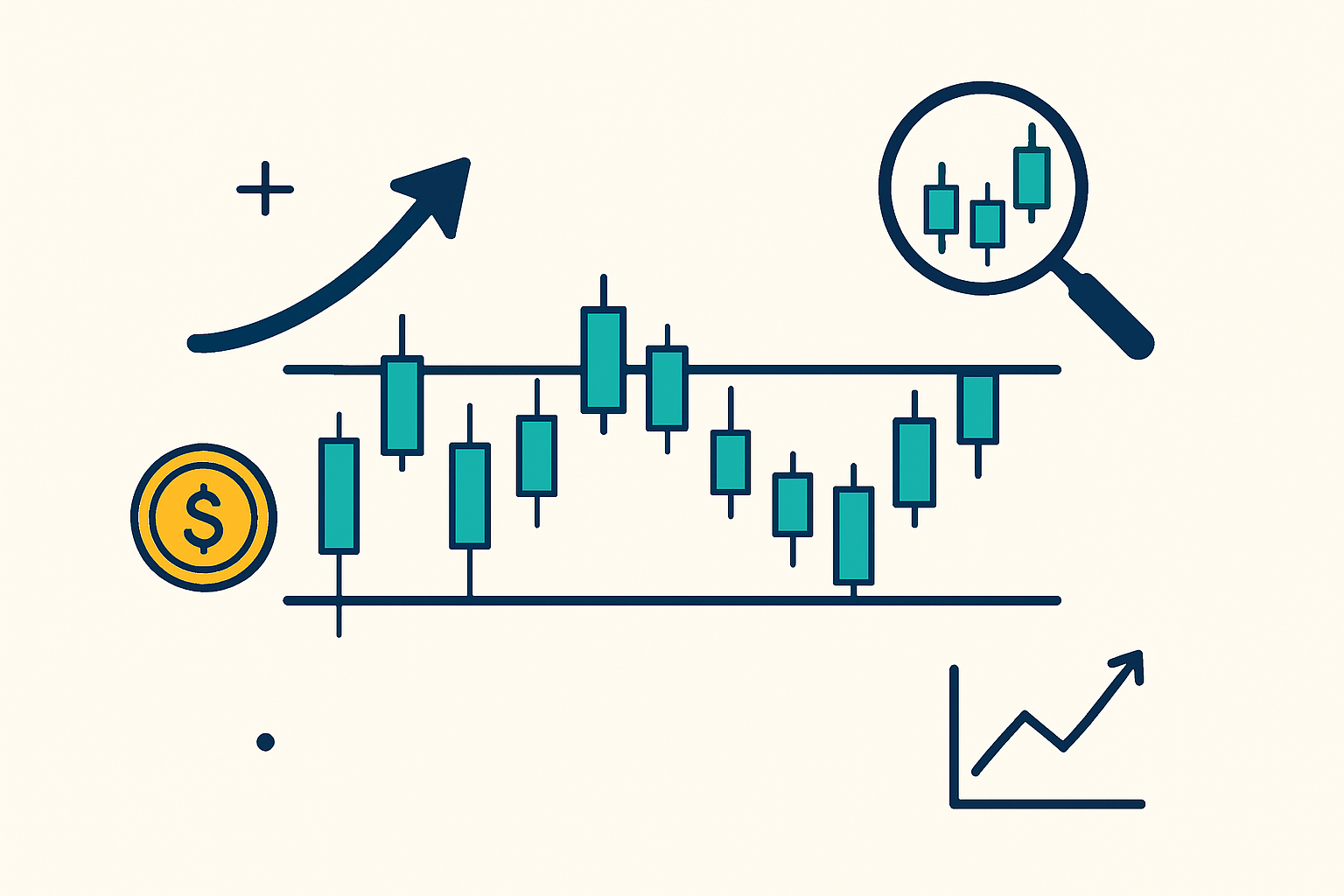
A ranging market is a phase where price moves within a specific horizontal range, bounded by a support level at the bottom and a resistance level at the top. Instead of making higher highs or lower lows, the market simply oscillates between two zones.

Support is the level where demand is strong enough to prevent the price from falling further, while resistance is the level where selling pressure caps the price from moving higher. When neither buyers nor sellers are in control, the price gets trapped between these levels.

Ranging markets are incredibly common. In fact, some estimates suggest that markets are in a range more than 60% of the time. This makes understanding and trading ranges an essential skill.

ranging market

Why Do Ranges Form?

To grasp the significance of ranging markets, it helps to understand why they occur in the first place. Ranges form due to indecision, balance, or anticipation.

Here are a few common causes:

  • Market Consolidation: After a strong uptrend or downtrend, the market may need to “cool off” and consolidate before choosing the next direction.
  • Low Volatility Periods: During times of uncertainty or lack of major economic news, price may move sideways as traders wait for direction.
  • Accumulation or Distribution: Smart money (institutional traders) often accumulate or distribute their positions during a range before a large move.

In any case, a range reflects a temporary equilibrium between buyers and sellers, which inevitably ends in a breakout.

Key Characteristics of a Ranging Market

Trading a range is different from trading a trend. Instead of buying breakouts or following momentum, range trading involves fading the extremes and playing the “bounce.”

Here’s how to do it effectively:

1. Identify the Range

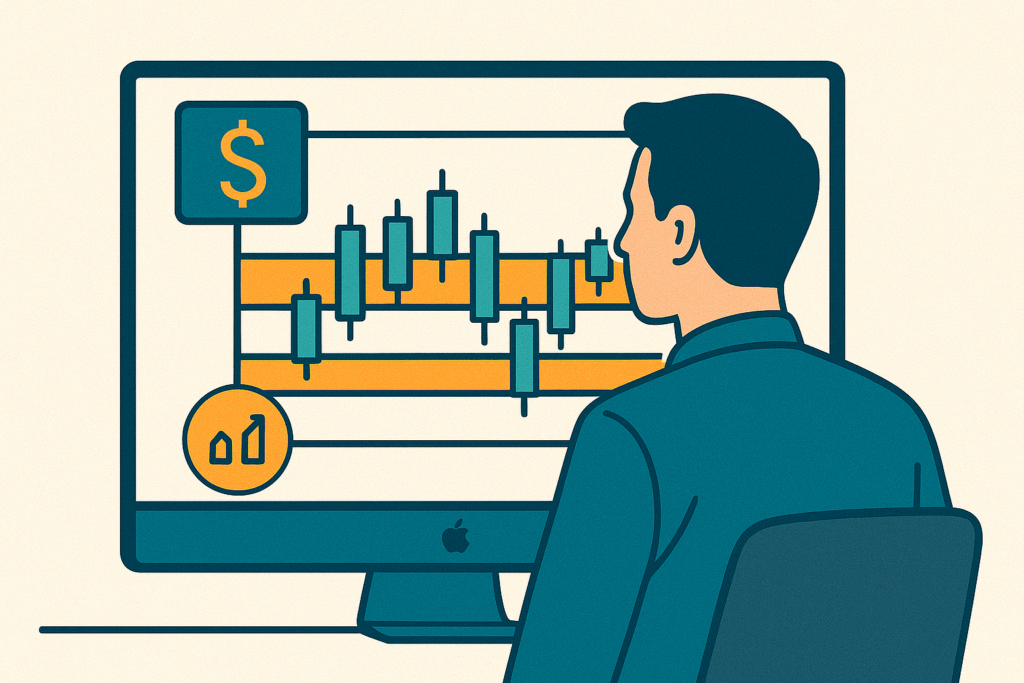
Before entering any trade, clearly identify the support and resistance levels that define the range. Use higher timeframes to ensure the levels are significant.

Tools that can help:

  • Horizontal lines


  • Price action (wicks and rejection candles)


  • Volume profile indicators


2. Buy at Support, Sell at Resistance

This is the most basic range trading strategy. Enter long trades when price approaches support, and short trades near resistance.

Tips:

  • Wait for confirmation (e.g., pin bars, engulfing candles) before entering.


  • Place stop-loss orders just outside the range to protect against breakouts.


3. Use Oscillators

Indicators like RSI (Relative Strength Index) and Stochastic Oscillator are useful in ranging markets. They show when the market is overbought (good for selling) or oversold (good for buying).

4. Trade Breakouts Cautiously

Eventually, every range ends. The trick is to identify whether a breakout is genuine or false.

Confirm breakouts with:

  • Increased volume


  • Retest of the broken level


  • Higher time frame confirmation


Breakout strategies work well when the range is very tight and follows a long trend or major economic announcement.

Identifying a range is fairly straightforward when you know what to look for. Here are the hallmarks of a ranging market structure:

1. Horizontal Support and Resistance

This is the most obvious trait. The price repeatedly tests the same support and resistance levels without breaking them significantly. On a chart, this forms a “box” or rectangular shape.

2. No Clear Trend

There are no higher highs or lower lows. Instead, the market moves back and forth within the range. Trend indicators like moving averages often flatten out during this phase.

3. Volume Decreases

During a range, trading volume often declines as fewer traders commit to large positions. This is especially true near the middle of the range, where price action is typically the most indecisive.

4. False Breakouts

Ranges are notorious for producing false breakouts—brief moves outside the range that reverse quickly. This can trap inexperienced traders and stop out positions placed too aggressively.

Types of Ranging Markets

Not all ranges are the same. Here are a few variations that traders may encounter:

1. Rectangular Range

This is the classic horizontal price movement between support and resistance. It looks like a flat channel and is easy to identify on a chart.

2. Ascending/Descending Ranges

These ranges have a slight upward or downward slope. While still technically a range, they hint at a potential future breakout direction.

3. Volatile Range

Here, the price moves erratically within a wide range, making support and resistance levels harder to pinpoint.

4. Tight Consolidation

A narrow range with very little price movement. This often precedes explosive breakouts, especially around major news events.

How to Trade a Ranging Market

Advantages of Ranging Markets

Despite the apparent lack of direction, ranging markets offer several advantages:

  • Predictability: Price tends to respect support and resistance, making entries more precise.
  • Frequent Setups: In an active range, you may get multiple opportunities to trade within a single session.

Short-Term Profits: Ideal for scalpers and intraday traders who aim for quick wins.

ranging markets

Risks and Challenges

As with any trading style, there are challenges to consider when dealing with ranging markets.

1. False Breakouts

Perhaps the biggest danger. These can stop out traders who enter too early or without confirmation.

2. Whipsaw Action

The lack of trend can cause choppy price action that’s difficult to navigate without clear rules.

3. Psychological Fatigue

Many traders lose patience in ranging markets, leading to overtrading or impulsive decisions.

Tools and Indicators to Help Identify Ranges


At InvidiaTrade, we recommend a combination of price action and indicators for the best results.

Here are some helpful tools:

  • Bollinger Bands: These contract during ranges, helping identify when a breakout may be near.
  • ADX (Average Directional Index): A low ADX reading (below 20) indicates a weak trend or range.

Volume Profile: Shows where most of the trading activity happens, often inside the range boundaries.

Real Examples of Ranging Market Structures

Let’s take a look at a few historical examples across Forex pairs:

EUR/USD 4H Chart (June 2022)

A classic 100-pip range formed between 1.0450 support and 1.0550 resistance. Price respected these zones for over two weeks before breaking out to the downside following a Fed announcement.

GBP/JPY Daily Chart (March 2023)

Here, a broader range developed between 155.00 and 160.00. Traders who bought at support and sold at resistance had multiple winning trades over several months.

These examples illustrate how effective range trading can be when executed properly.

How to Spot a Breakout From a Range

Eventually, price will break out of any range. The key is to spot it early.

Signs of a breakout include:

  • Surge in trading volume

  • Price closing strongly outside the range

  • A successful retest of the broken level

Breakouts often lead to the start of new trends, offering major profit opportunities if timed well.

Integrating Range Trading With InvidiaTrade Tools

InvidiaTrade provides a full suite of trading tools ideal for spotting and trading ranges. Our platform offers:

  • Real-time charting with customizable indicators


  • Volume and volatility analysis


  • Economic calendars to anticipate breakout catalysts


  • User-friendly order placement features with stop-loss and take-profit integration


With InvidiaTrade, you can fine-tune your range trading strategy and take advantage of both the calm and chaos of the markets.

ranging market

Final Thoughts: Mastering the Ranging Market

Ranging market structures may not carry the excitement of explosive trends, but they offer dependable opportunities for smart traders. By mastering horizontal movement between support and resistance, you’ll develop patience, precision, and discipline—three traits that every successful trader needs.

The market doesn’t always move in a straight line. Often, it pauses, reflects, and recharges. Learning to read these pauses is what separates average traders from professionals.

At InvidiaTrade, we believe in empowering traders with knowledge, tools, and support. Whether you’re range trading, trend following, or developing your own system, our platform is designed to help you succeed.

Ready to sharpen your skills in live market conditions?
Open a free demo account with InvidiaTrade and start practicing your range trading strategy today.

Start Trading With InvidiaTrade