ADR – Average Daily Range in Forex

Table of Contents

Introduction

When it comes to Forex trading, precision matters. Traders rely on indicators, market structures, and technical analysis tools to make better decisions. Among these tools, ADR – Average Daily Range – stands out as one of the simplest yet most effective ways to measure volatility and plan trades.

In this article, we’ll break down what the Average Daily Range (ADR) is, why it’s important, how to calculate it, and how to use it in your daily trading strategy. Whether you’re a beginner or an experienced trader, understanding ADR can help you anticipate price movements, manage risk, and maximize profit opportunities.

ADR – Average Daily Range in Forex

What is ADR in Forex Trading?

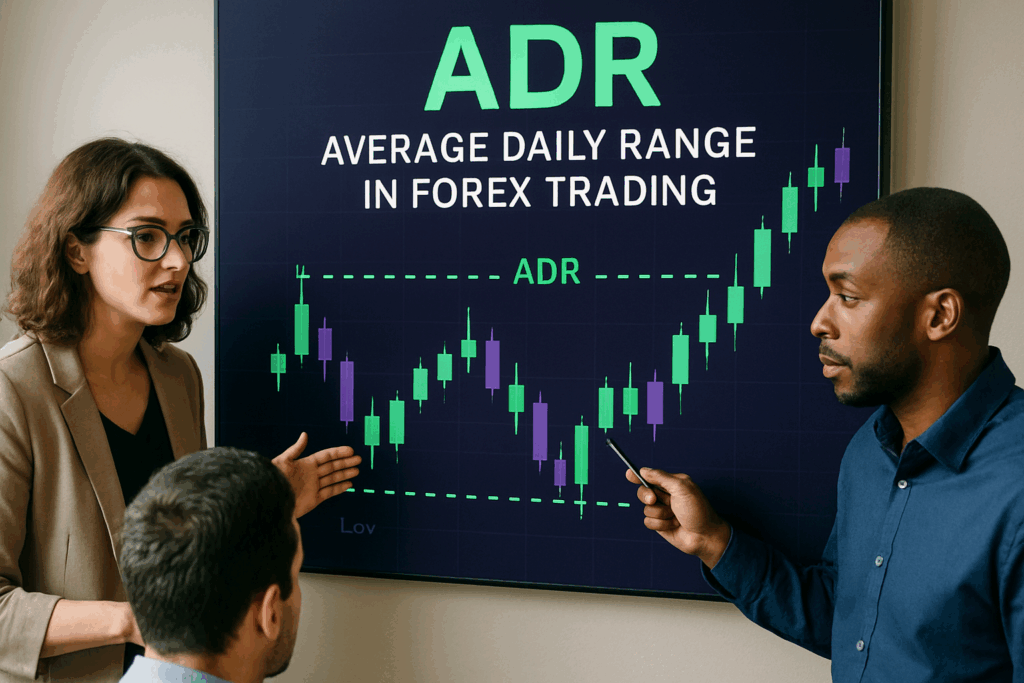
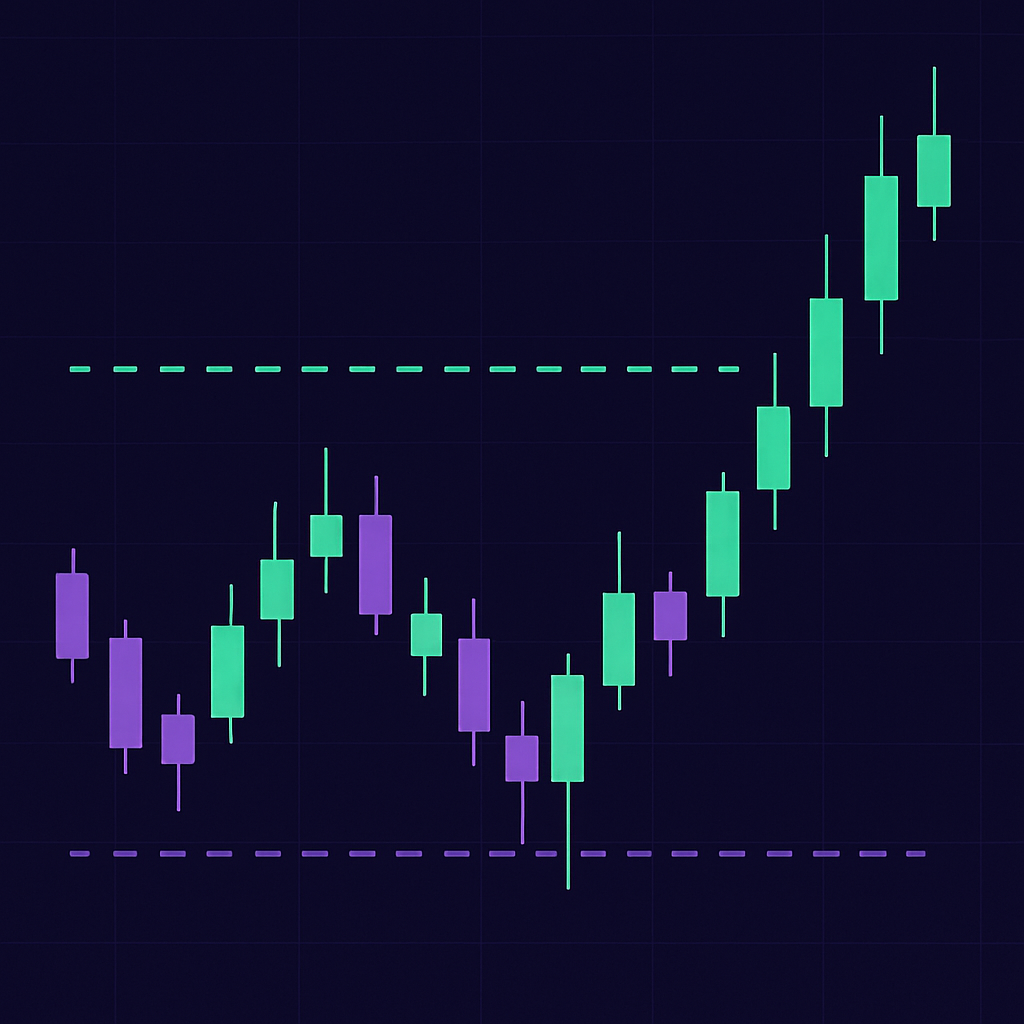
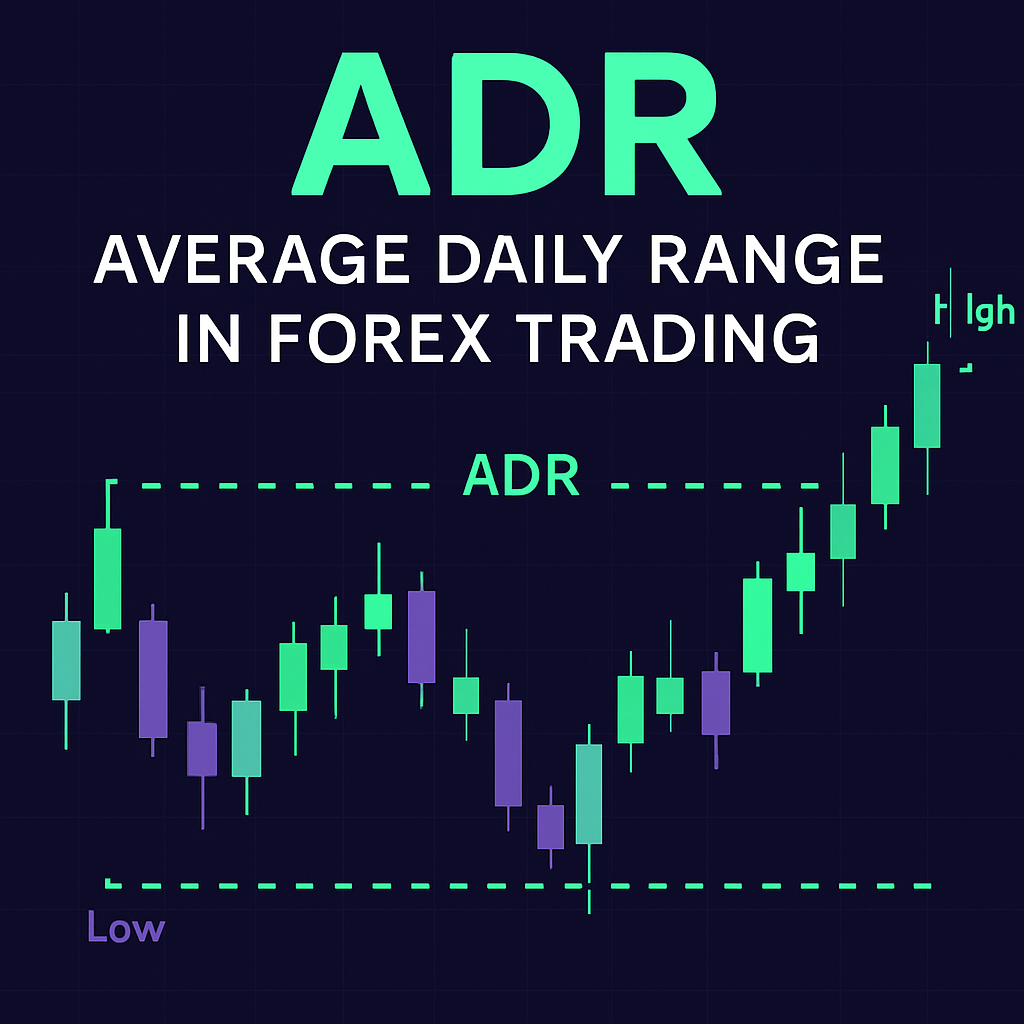
The Average Daily Range (ADR) is a technical indicator that shows the average price movement of a currency pair within one trading day over a specific period (usually 14 days).

In simple terms, ADR tells you how many pips a currency pair typically moves in a day. By knowing this, traders can estimate how far price might travel and where it may find support or resistance.

For example:

  • If EUR/USD has a 14-day ADR of 80 pips, it means that on average, the pair moves 80 pips from high to low daily.

  • If the price has already moved 70 pips on the day, traders know the pair is nearing its expected range.

This makes ADR one of the most valuable volatility-based tools in Forex.

Why ADR Matters in Forex Trading

1. Measures Volatility

ADR doesn’t predict direction, but it shows how volatile a pair is. Pairs like GBP/JPY or XAU/USD (gold) usually have a much higher ADR compared to EUR/CHF or USD/JPY.

2. Helps Set Realistic Targets

Instead of aiming for a 200-pip move on a pair with a 60-pip ADR, traders can set achievable targets aligned with the pair’s natural volatility.

3. Improves Risk Management

By knowing the ADR, traders can avoid entering trades when most of the daily range is already consumed. This prevents overtrading in exhausted markets.

4. Identifies Potential Reversal Zones

If a pair has reached or exceeded its ADR early in the session, it might slow down or reverse – providing key opportunities for counter-trend setups.

How to Calculate ADR in Forex

The ADR formula is straightforward. It’s the average of the daily high-low range over a chosen period.

Step-by-Step ADR Calculation:

  1. Find Daily Range
    Daily Range = Daily High – Daily Low

  2. Do This for X Days
    Typically, traders use 14 days to get a balanced view of volatility.

  3. Average the Results
    ADR = (Sum of Daily Ranges over X days) ÷ X

Example:

  • Day 1 Range: 85 pips

  • Day 2 Range: 92 pips

  • Day 3 Range: 75 pips

  • … Continue for 14 days

  • Add them up, then divide by 14

If the result is 80, then the 14-day ADR = 80 pips.

While traders can calculate ADR manually, most trading platforms like MetaTrader 4 (MT4), MetaTrader 5 (MT5), and TradingView have ADR indicators available.

ADR vs ATR: What’s the Difference?

Some traders confuse ADR (Average Daily Range) with ATR (Average True Range). Although both measure volatility, they are not the same.

  • ADR only looks at the daily high and low range.

  • ATR includes gaps and uses the “true range,” making it slightly more comprehensive.

In Forex, since gaps are rare compared to stocks, ADR often provides a cleaner and more practical picture of daily volatility.

Best Settings for ADR in Forex Trading

The standard setting for ADR is 14 days, which balances short-term fluctuations with longer-term averages. However:

  • Short-term traders may use 5 or 7-day ADR for quicker signals.

  • Swing traders may prefer 20 or 30-day ADR to capture broader trends.

Ultimately, the best setting depends on your trading style and strategy.

How to Use ADR in Forex Trading

Now that you know what ADR is, let’s look at how to apply it in your trading strategy.

1. Entry Timing

If a pair has only moved 30% of its ADR by the London session, there may be more room for price to move during the New York session. Traders can enter trades with confidence that volatility isn’t exhausted.

2. Profit Targets

Suppose GBP/USD has a 100-pip ADR. If you enter a trade and the pair has already moved 70 pips, setting a target of another 50 pips is unrealistic. Instead, you can aim for a smaller, achievable profit aligned with the remaining ADR.

3. Avoiding Overextension

If EUR/USD already traveled 95 pips in a day with an 80-pip ADR, entering a trade in the same direction might be risky. Price may consolidate or even reverse.

4. Reversal Opportunities

ADR can act as a “soft boundary.” If price extends well beyond its ADR early in the session, reversal patterns like pin bars, engulfing candles, or divergence on RSI can signal profitable counter-trades.

5. Pair Selection

Traders can compare ADR across pairs to choose markets that suit their style. Scalpers often prefer high-ADR pairs like GBP/JPY, while conservative traders may choose pairs with smaller ADR.

ADR – Average Daily Range in Forex

Examples of ADR in Action

Example 1: EUR/USD

  • 14-day ADR: 80 pips


  • Current day’s move: 75 pips by London close


  • Lesson: Little room left for further expansion; entering late could be risky.


Example 2: GBP/JPY

  • 14-day ADR: 130 pips


  • Current day’s move: 60 pips in Asian session


  • Lesson: Plenty of volatility left for London and New York, offering trade opportunities.


Advantages of Using ADR

  • Simple to understand


  • Works across all pairs and timeframes


  • No lagging effect (unlike some indicators)


  • Great for setting realistic targets and stops


  • Improves trade filtering and selection


Limitations of ADR

  • Does not predict direction, only range


  • Extreme news events (like NFP or interest rate decisions) can break ADR expectations


  • Best used with other indicators for confirmation


This is why many traders combine ADR with support/resistance, moving averages, or candlestick patterns.

ADR Trading Strategies

Strategy 1: Breakout Trading with ADR

  • Identify pairs with high ADR.


  • Wait for breakout setups (London session is ideal).


  • Use ADR as a filter to avoid chasing moves that are already exhausted.


Strategy 2: Countertrend Reversal

  • If price exceeds ADR early, look for reversal signals.


  • Example: If GBP/USD’s ADR is 100 pips and it moves 120 pips by midday, watch for price rejection and trade the pullback.


Strategy 3: Intraday Scalping

  • Use smaller ADR periods (like 5 days).


  • Identify “unfinished business” when price hasn’t reached average daily movement yet.


  • Target the remaining ADR with tight stops.


ADR Across Different Currency Pairs

Some pairs naturally have higher ADR values than others.

  • High ADR pairs: GBP/JPY, XAU/USD, GBP/NZD – suitable for aggressive traders.


  • Medium ADR pairs: EUR/USD, USD/JPY – balanced movement.


  • Low ADR pairs: EUR/CHF, USD/CHF – more stable, slower markets.


Knowing ADR ranges per pair allows traders to adjust expectations and lot sizes accordingly.

ADR and Risk Management

One of the most overlooked uses of ADR is in position sizing and stop-loss placement.

  • If EUR/USD has an ADR of 80 pips, setting a stop-loss of just 10 pips is unrealistic – normal fluctuations may hit your stop.


  • Instead, traders can place stops beyond a reasonable portion of ADR (e.g., 30–50%).


This ensures your trade has room to breathe while still protecting your account.

Common Mistakes When Using ADR

  1. Using ADR as a Standalone Strategy
    ADR should guide expectations, not replace full analysis.


  2. Forcing Trades After ADR Exhaustion
    If price has already completed its average range, avoid chasing.


  3. Not Adjusting for News Events
    During high-impact news, ADR may be exceeded dramatically.


Using the Same ADR for All Pairs
Each pair has its own behavior; adapt settings accordingly.

ADR – Average Daily Range in Forex

Tips for Mastering ADR in Forex

  • Use ADR together with support and resistance.

  • Adjust take-profit levels according to the pair’s volatility.

  • Track ADR across multiple pairs to identify which markets are most active.

  • Remember: ADR is about probability, not certainty.

Conclusion

The Average Daily Range (ADR) is one of the simplest and most powerful tools in Forex trading. It doesn’t predict direction, but it gives traders a clear picture of volatility, helping them set realistic expectations, manage risk, and find better trade entries.

By mastering ADR, you can avoid chasing trades, spot reversal opportunities, and choose the right pairs for your trading style.

At InvidiaTrade, we believe in empowering traders with the best education, tools, and trading conditions. If you want to practice using ADR in real market conditions, start with our demo account, or open a live trading account today.

👉 Start trading with InvidiaTrade – the broker you can trust for reliability, transparency, and advanced trading solutions.

Leave a Reply

Your email address will not be published. Required fields are marked *