If you’re just stepping into the world of currency trading or looking to sharpen your edge, you’ve likely heard about Forex trading signals. But what exactly are they, how do they work, and can they really improve your trading results?
At InvidiaTrade, we believe in giving traders the tools, strategies, and education they need to succeed in the Forex market. This in-depth guide will help you understand Forex trading signals, how to use them, what to avoid, and how to integrate them into a smart, disciplined trading plan.
Here’s what you’ll learn:
- What Forex trading signals are
- Different types of Forex signals
- Manual vs. automated signals
- Key signal components to watch for
- How signals are generated
- How to evaluate and use them safely
- Whether free or paid signals are better
- Common mistakes and best practices
- And how to combine signals with broader strategy
Let’s break it down step-by-step.
What Are Forex Trading Signals?
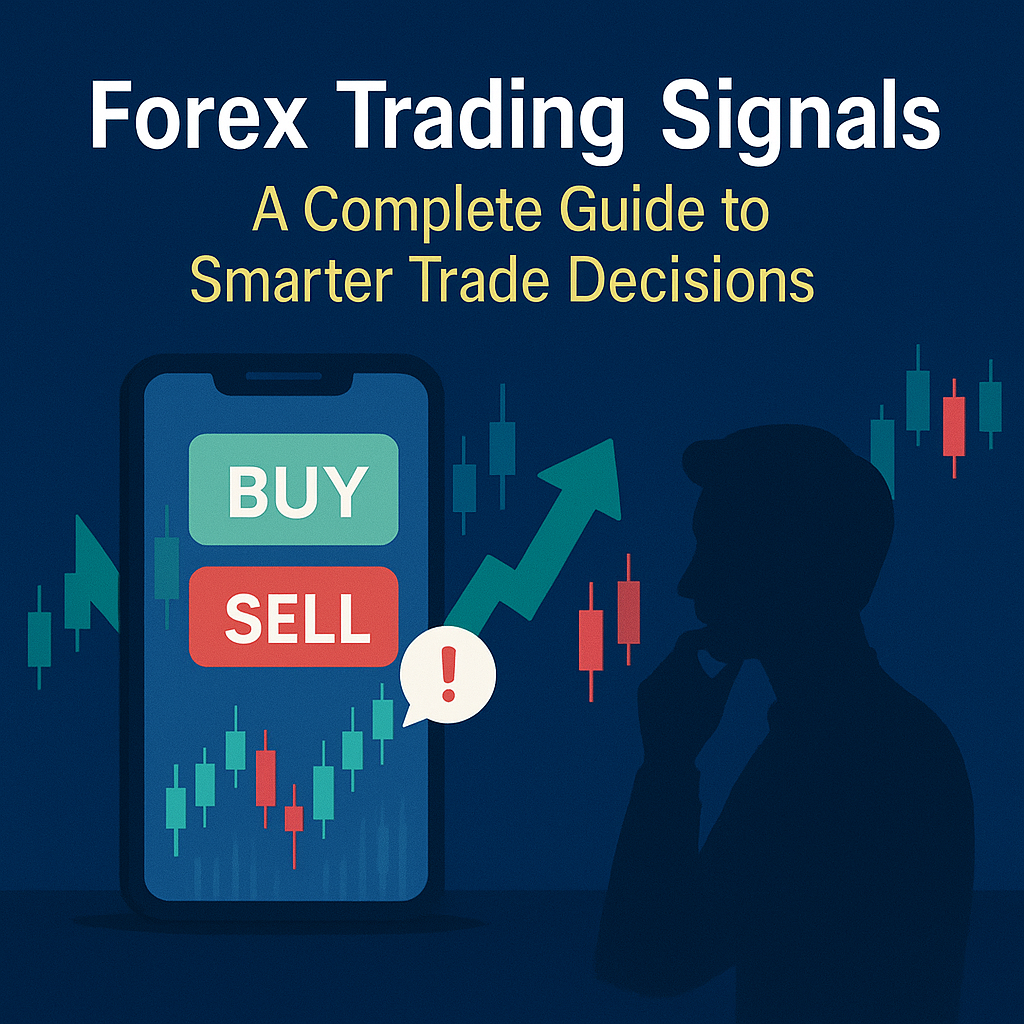
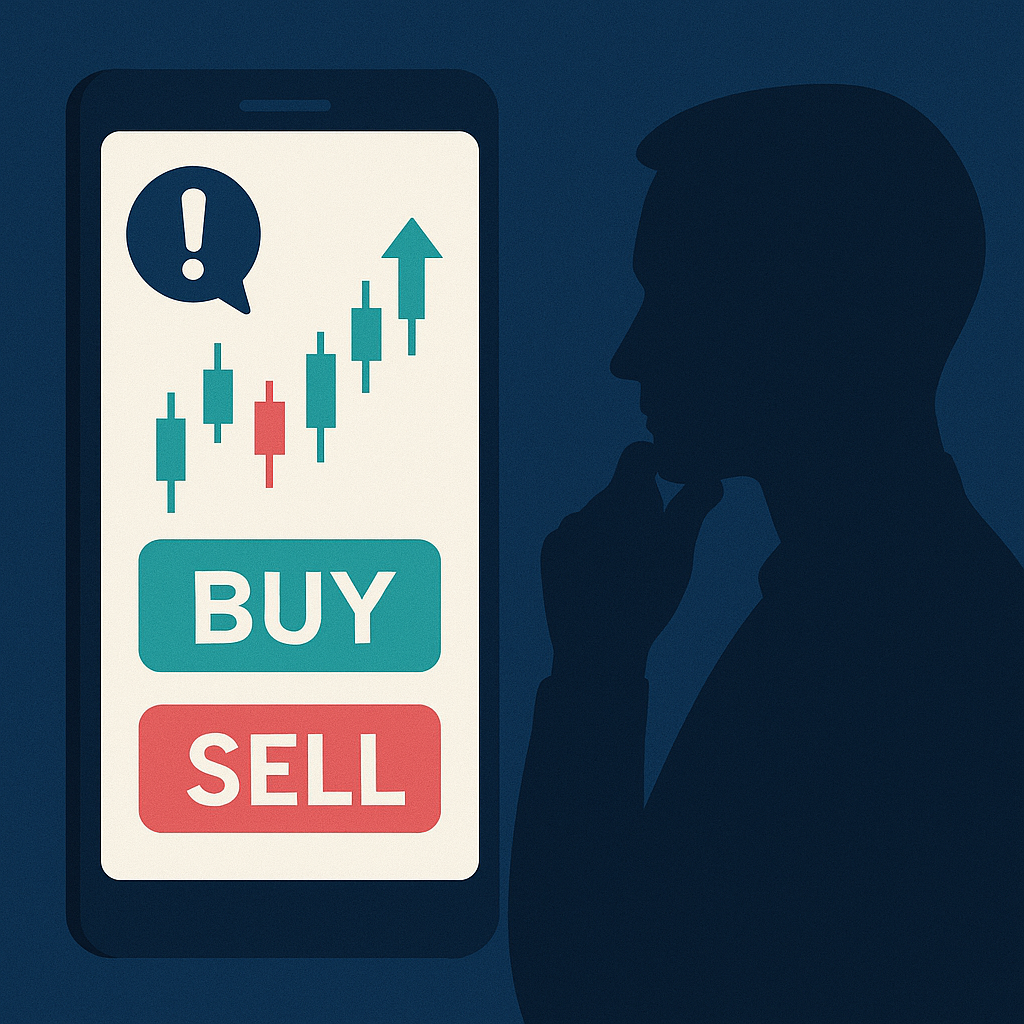
A Forex trading signal is a trading idea or recommendation that tells you when to enter or exit a trade on a currency pair, usually at a specific price level. These signals can be generated by:
- Human analysts
- Trading software or bots
- Automated systems (Expert Advisors)
- Copy trading services
- News-based algorithms
Signals typically include:
- The currency pair to trade
- A buy or sell direction
- A recommended entry price
- A stop-loss (SL)
- A take-profit (TP)
- Sometimes the analysis or logic behind the trade
They’re used by beginners looking for guidance and by experienced traders looking to save time and stay focused on high-quality setups.
Types of Forex Trading Signals
Signals come in different forms depending on how they’re generated and how they’re used.
1. Manual Signals
Created by experienced traders analyzing charts and market conditions.
- Pros: Human flexibility, context-based analysis
- Cons: Slower delivery, risk of human error or emotion
2. Automated Signals
Generated by trading algorithms or bots using pre-set technical rules.
- Pros: Consistent, fast, emotion-free
- Cons: May not adapt well to unexpected events
3. Free Signals
Often shared by brokers or communities to attract users.
- Pros: No cost, easy access
- Cons: Lower accuracy, no accountability
4. Paid Signals
Offered by professional traders or platforms with verified performance.
- Pros: Typically more reliable, includes support
- Cons: Subscription cost, not always customizable
Some platforms—including those recommended by InvidiaTrade—offer signal-integrated automation, which blends the best of both worlds.
Key Components of a High-Quality Signal
Every valid Forex trading signal should include:
- Currency pair (e.g., EUR/USD)
- Buy or Sell direction
- Entry price
- Stop-Loss (to limit downside)
- Take-Profit (target exit)
- Risk-reward ratio
- Timeframe
- Optional: Explanation or analysis
Without these, you’re operating on incomplete information.
How Are Forex Signals Generated?
Forex trading signals are typically based on one or more of the following analyses:
A. Technical Analysis
- Indicators: RSI, MACD, Bollinger Bands, Moving Averages
- Chart patterns: Breakouts, Head & Shoulders, Triangles
- Support/resistance zones and price action setups
B. Fundamental Analysis
- Economic news: GDP, CPI, employment data, interest rates
- Central bank policies
- Geopolitical events
C. Sentiment Analysis
- Retail trader positioning
- Institutional activity
- Risk-on/risk-off dynamics
Some of the best signals combine all three forms for better accuracy.
Manual vs. Automated Signal Execution
Manual Signal Trading:
- You receive a signal, then enter the trade yourself
- Allows discretion and control
- Good for traders who want to learn and improve
Automated Signal Trading:
- Signals are processed and executed by a trading system or EA
- Removes human emotion
- Ideal for time-constrained traders or systematic strategies
At InvidiaTrade, we work with clients who use both approaches. Many use hybrid systems that allow signal customization with automation to execute.
Signal Delivery Methods
Forex signals can be delivered through:
- Telegram or WhatsApp groups
- Email alerts
- Mobile trading apps
- On-screen trading dashboards
- Direct broker integration (for automation)
Ensure your provider uses real-time, fast delivery to avoid price slippage or missed opportunities.
When to Use Forex Trading Signals
Forex trading signals can be useful in a variety of scenarios:
- You’re new and want professional guidance
- You can’t watch the market all day
- You want second opinions to confirm your own analysis
- You’re building confidence and consistency
- You want to test different market approaches without full manual analysis
However, signals work best when used with risk management and trade tracking.
How to Evaluate a Signal Provider
Before using any Forex signal service, ask the following:
- Are past results verifiable?
- Is the win rate clearly stated?
- Does the provider disclose risk levels and trade rationale?
- Is customer support available?
- Are SL and TP included with every trade?
- Do they offer a free trial or test phase?
At InvidiaTrade, we recommend signal services with transparency, track records, and education, not just trade alerts.
Copy Trading vs Signal Subscriptions
Copy Trading:
- You mirror trades from another trader or strategy
- Fully automated
- Little control or customization
Signal Subscriptions:
- You receive trading ideas to follow manually or semi-automatically
- You choose whether to execute them
More flexibility and learning opportunity
Should You Use Free or Paid Signals?
Free Signals
- Good for beginners to observe trade structure
- Often shared without much detail or explanation
- Not always based on a proven track record
Paid Signals
- Generally offer structured analysis
- Include stop loss, take profit, and risk control
- Typically monitored and updated live
If you’re going to risk real money, reliable paid signals can offer more long-term value. However, always verify performance.
Best Practices for Using Forex Signals
To make the most of trading signals:
- Use a demo account first
- Don’t follow every signal blindly—learn from them
- Stick to a fixed risk per trade
- Keep a trading journal to track which signals work
- Combine signals with your own trend or market analysis
Remember: signals are tools—not guarantees. Your own discipline and mindset matter just as much.
Examples of Signal-Based Trade Setups
Example 1: Technical Signal – RSI Divergence
- Pair: USD/CHF
- Signal: Buy at 0.8900
- Reason: Bullish RSI divergence on 4H chart
- SL: 0.8850
- TP: 0.9000
Example 2: Breakout Signal
- Pair: EUR/USD
- Signal: Sell at 1.0930
- Reason: Breakout below key support + volume spike
- SL: 1.0965
- TP: 1.0860
Tracking setups like these will help you understand signal behavior over time.
Developing Your Own Forex Signals
Eventually, many traders want to create their own signals. Here’s how:
- Define a consistent strategy (trend, breakout, reversal, etc.)
- Set clear entry and exit rules
- Add technical filters (e.g., RSI overbought)
- Backtest across different pairs and timeframes
- Track performance over 20+ trades
- Scale or automate once tested
You can start manually and gradually turn your signal logic into an automated trading system.
Signal Pitfalls to Avoid
Avoid these common mistakes:
- Following unknown Telegram signals without proof
- Chasing high-risk trades with no stop loss
- Overtrading based on multiple conflicting signals
- Relying on one winning week as proof of long-term success
- Forgetting to journal and track your trades
Smart traders use signals as part of a larger strategy, not a shortcut to profits.
Can Trading Signals Make You Profitable?
Yes—but only if:
- The signals come from a consistent, transparent strategy
- You manage risk properly
- You understand what the signal is telling you
- You commit to long-term tracking and improvement
- You combine them with real market education and discipline
At InvidiaTrade, we help traders not only find better signals, but also use them wisely, and integrate them into scalable strategies.
Conclusion: Use Forex Trading Signals to Work Smarter, Not Harder
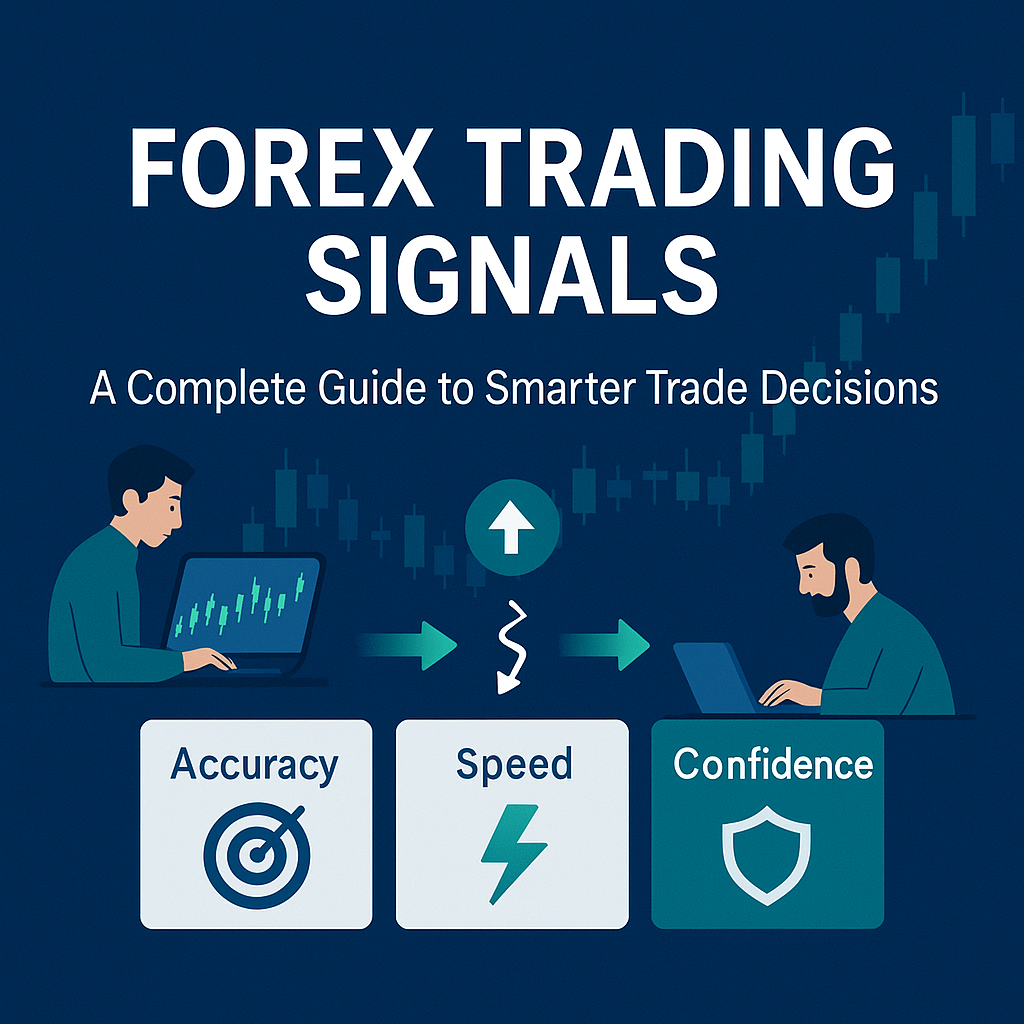
Forex trading signals can simplify your decision-making, speed up your execution, and boost your confidence—if they’re used correctly.
Signals are not a magic formula, but a data-driven edge when matched with risk management, backtesting, and ongoing learning.
At InvidiaTrade, we help traders leverage signals the right way—whether you’re learning from them, using automation, or developing your own system. With our platform and resources, you’re never trading blindly. You’re trading with intention, precision, and community support.
Disclaimer
Trading foreign exchange on margin carries a high level of risk and may not be suitable for all investors. The information provided in this article is for educational purposes only and does not constitute investment advice. Always consult with a licensed financial advisor before making investment decisions. Past performance is not indicative of future results.

AI Trading Bot: What Traders Should Know Before Using Automated Forex Tools
Table of Contents The forex market moves fast. Prices change every second. Traders often need to watch charts, follow news, manage risk, and make

MasterBOT Live Chart: How to Read BOT Price Trends and Market Signals
The MasterBOT live chart is useful for anyone who wants to track BOT price movement in real time. Instead of looking only at the current

Trading vs Investing Accounts: Key Differences Every Market Participant Should Know
Introduction Trading vs Investing Accounts is one of the most important comparisons for anyone entering the financial markets. Many beginners think that opening an account

How to Choose a Foreign Exchange Broker: Regulation, Costs, and Trust Factors
If you want to succeed in forex trading, choosing the right broker is one of the first big decisions you need to make. Many traders

Choosing an Online Trading Platform: Key Features That Separate Pros From Amateurs
Choosing an online trading platform is one of the most important decisions a trader will make. Many people think the platform is simply where trades

What Is a Funded Trading Account? How It Works
A funded trading account has become a big topic in the trading space. Many traders are interested in it because it offers access to capital